Are Nuts Good for You? A Guide to Nuts and Your Health

Key takeaways
- Most tree nuts and seeds are rich in unsaturated fats, fiber, protein, and plant compounds called flavonoids.
- Regular nut intake is linked to better cholesterol levels, lower inflammation, and heart protection.
- Newer nuts like the Brazilian baru almond show similar promise, with prebiotic and antioxidant effects.
- A small daily handful, about 1 ounce, is a practical target for most healthy adults.
What counts as a nut?
Nuts are seeds with a hard outer shell that grow on trees or bushes.
Common examples include almonds, walnuts, cashews, pistachios, and pecans.
Peanuts grow underground and are technically a legume, but they have a similar nutrition profile.
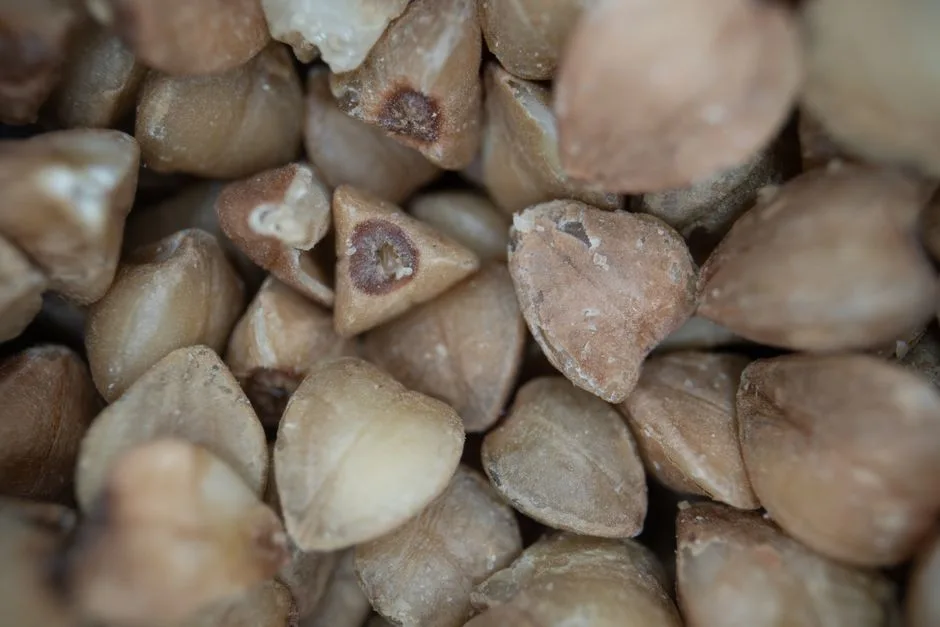
Newer entrants are gaining attention too, like the baru nut from Brazil's Cerrado region.
Baru is the almond found inside the baru fruit, a native plant food long used by local communities.[1]
A recent review found baru almonds are high in protein and rich in oleic acid and linoleic acid, the same healthy fats found in olive oil and walnuts.[1]
Why do nuts matter for health?
Nuts are dense in nutrients that many people do not get enough of.
- Unsaturated fats, especially monounsaturated and polyunsaturated fats
- Plant protein
- Fiber
- Magnesium, potassium, and vitamin E
- Flavonoids and other antioxidant plant compounds
This mix of nutrients is why nuts show up again and again in heart healthy eating patterns like the Mediterranean diet.
The fat in most nuts is mostly unsaturated, which can help replace saturated fat in the diet.
Fiber in nuts supports digestion and helps feed the good bacteria living in your gut.
How do nuts affect your body?
Unsaturated fats in nuts can help lower LDL cholesterol, the type linked to clogged arteries.
Flavonoids act as antioxidants, meaning they help calm down harmful molecules called free radicals.
Reducing free radical damage may lower oxidative stress, a process tied to aging and chronic disease.
Fiber that is not digested in the small intestine travels to the colon, where it can act as a prebiotic.
A prebiotic is food for the healthy bacteria in your gut, which can multiply and support digestion.
The baru fruit review found this same pattern, the pulp and peel are rich in carbohydrates and insoluble fiber with likely prebiotic activity, while the almond supports lipid and cardiovascular health.[1]
What does the evidence show?
Research on common nuts like almonds, walnuts, and pistachios has linked regular intake to improved cholesterol levels and reduced heart disease risk over many years of study.
Newer or less studied nuts are catching up in the research too.
The baru fruit review pulled together the available chemical and health evidence on this Brazilian nut for the first time at this scale.[1]
It found baru is associated with an improved lipid profile, meaning better levels of cholesterol and related fats in the blood.[1]
It also found signs of cardiovascular protection and reduced oxidative stress, alongside potential prebiotic effects from the fiber-rich pulp.[1]
The authors describe baru as a functional food, meaning a food that may offer health benefits beyond basic nutrition.[1]
This kind of evidence is still early compared to decades of research on almonds or walnuts, so more human studies are needed before firm conclusions can be drawn.[1]
What to eat: practical steps for adding nuts to your diet
You do not need a huge amount of nuts to get their benefits.
- Aim for about 1 ounce, roughly a small handful, most days of the week
- Choose raw or dry roasted nuts over those cooked in oil or coated in sugar
- Watch portions since nuts are calorie dense
- Swap nuts in for less healthy snacks like chips or candy
- Add chopped nuts to oatmeal, yogurt, or salads for texture and healthy fat
- Try a variety, including almonds, walnuts, pistachios, cashews, and pecans, to get a range of nutrients
- Look for whole nuts over heavily processed nut snacks with added sugar or salt
- If you can find them, try baru almonds as a novel source of protein and healthy fat
People with a nut allergy should avoid nuts and speak with a doctor about safe alternatives.
Who benefits most from eating nuts?
Most healthy adults can benefit from including nuts as part of a balanced diet.
- People looking to support heart health and healthy cholesterol levels
- People wanting more plant based protein and fiber in their diet
- People interested in supporting gut bacteria with prebiotic fiber
- People managing blood sugar, since nuts have a low glycemic impact
- Anyone looking for a convenient, nutrient dense snack
People trying to manage their weight can still include nuts, since portion controlled amounts fit into most calorie goals.
Are there any downsides or risks?
Nuts are calorie dense, so eating large amounts without adjusting other foods can contribute to weight gain.
Tree nut and peanut allergies are common and can be serious, even life threatening in some cases.
Salted or candied nuts can add excess sodium or added sugar to your diet.
Newer nuts like baru have less long term safety data in large human populations compared to well studied nuts.[1]
Frequently asked questions
Are nuts good for weight loss?
Nuts can fit into a weight loss plan when eaten in controlled portions, since their fiber and protein may help you feel full.
What is a baru nut?
A baru nut is the almond found inside the fruit of the baru tree, native to Brazil's Cerrado region, and it is rich in protein, healthy fats, and flavonoids.[1]
How many nuts should I eat per day?
About 1 ounce, or a small handful, per day is a common practical target used in many nutrition studies.
Put this to work in your own food log. Track it free with Ration →