Does Fenugreek Help Blood Sugar and Other Health Benefits?
Key takeaways
- Fenugreek is a seed high in soluble fiber called galactomannan, which slows digestion and helps blunt blood sugar spikes.[1]
- A large review found fenugreek improves glycemic outcomes more consistently than similar fibers like guar gum, locust bean gum, and tara gum.[1]
- Smaller studies suggest fenugreek may ease menstrual cramps and reduce hot flashes in perimenopause, but more research is needed.[3][8]
- Fenugreek is generally safe as a food or supplement, but it is not recommended during pregnancy in medicinal doses.[5]
What is fenugreek?
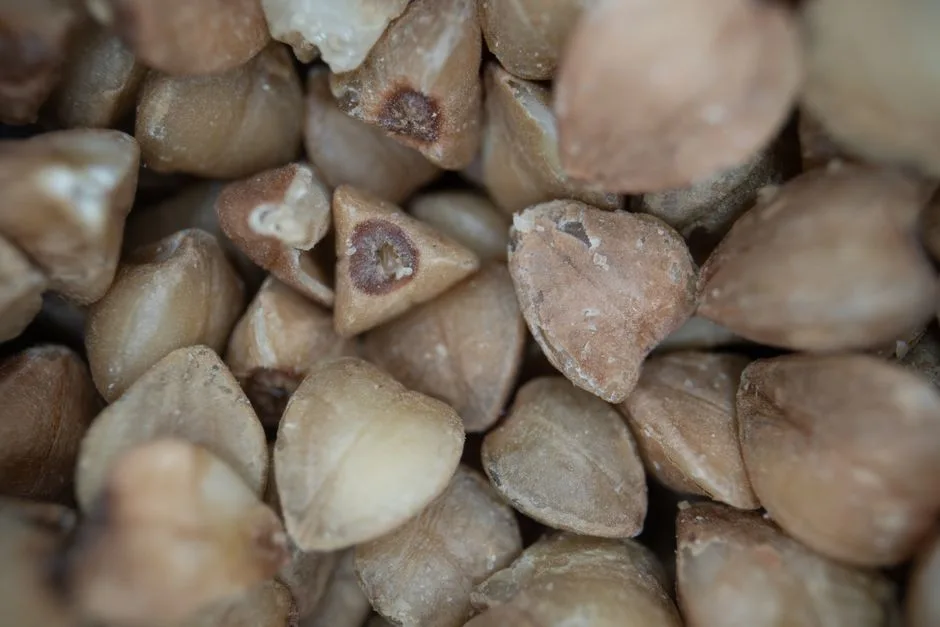
Fenugreek is a small plant in the legume family.
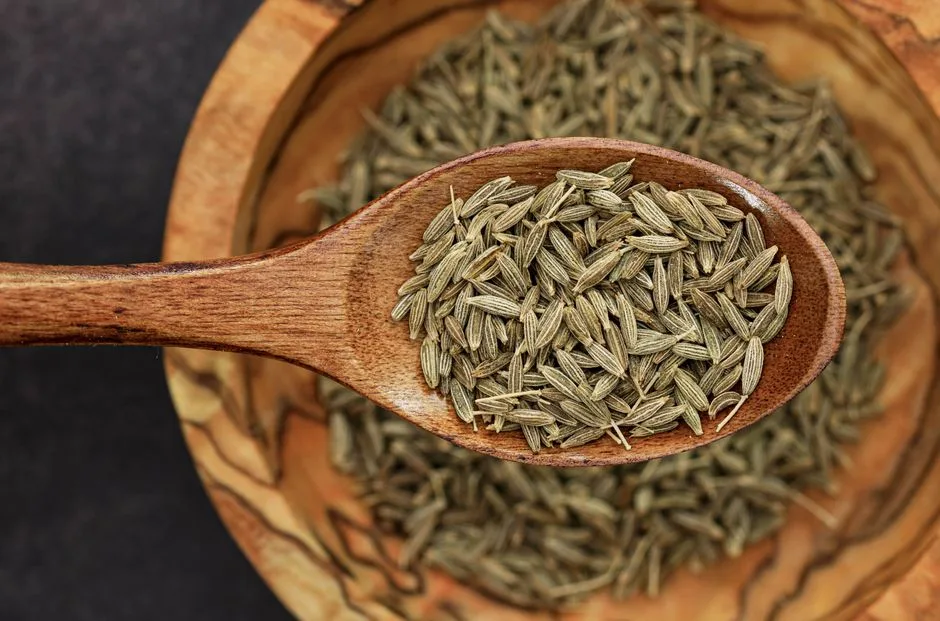
Its seeds are used as a spice in Indian, Middle Eastern, and North African cooking.
The seeds have a slightly bitter, maple-like flavor.
Fenugreek has also been used for centuries in traditional medicine.[2]
Today it comes in several forms.
- Whole or ground seeds used in cooking
- Seed powder taken as a supplement
- Seed extract, often standardized for specific compounds
- Leaf extract, used less commonly
- Fenugreek tea
Fenugreek seeds contain a soluble fiber called galactomannan.[1]
This is the same family of fiber found in guar gum, locust bean gum, and tara gum, which are common food thickeners.[1]
Fenugreek also contains compounds called saponins and flavonoids, which may contribute to its health effects.[4]
Why does fenugreek matter for health?
Blood sugar management is a major concern for millions of people.
Many people look for food-based ways to support healthy glucose levels alongside medical care.
Fenugreek is one of the most studied herbal options for this purpose.[1]
It is also used for other common issues, like menstrual pain and low breast milk supply.
Because it is a food and a supplement, it appeals to people who want a gentler option than medication.
How does fenugreek affect blood sugar?
The galactomannan fiber in fenugreek seeds is viscous.
This means it forms a thick gel in the digestive tract.
That gel slows down how fast the stomach empties.
It also slows the absorption of sugar from food into the bloodstream.[1]
Slower sugar absorption means smaller spikes in blood glucose after meals.
Fenugreek fiber is also fermentable.
Gut bacteria break it down in the colon and produce short-chain fatty acids, which may support metabolic health.[1]
Fenugreek seeds also contain an amino acid called 4-hydroxyisoleucine, which some researchers believe may help the body release insulin.[2]
What does the evidence show?
A 2026 systematic review looked at 50 randomized controlled trials of galactomannan fibers.[1]
It included 27 trials on guar gum, 20 on fenugreek, and a few on locust bean gum and mixed preparations.[1]
Fenugreek preparations consistently improved glycemic outcomes, more so than the other fibers studied.[1]
Guar gum, on the other hand, showed more consistent benefits for cholesterol and other lipid levels.[1]
Effects on body weight and body mass index were mixed and less reliable across studies.[1]
This suggests the source of the fiber matters, not just the fact that it is a viscous fiber.[1]
Outside of blood sugar, fenugreek has been studied for menstrual pain, known as dysmenorrhea.
A meta-analysis of dietary supplements found some evidence that fenugreek can reduce period pain.[3]
A separate randomized, placebo-controlled trial found a fenugreek seed extract reduced hot flashes and depressive symptoms in perimenopausal women.[8]
A broader review of fenugreek's bioactive compounds also points to potential anti-inflammatory and antioxidant effects, though human data are still limited.[4]
As with many herbal remedies, study quality and sizes vary a lot, so results should be seen as promising rather than definitive.[1][4]
What to do: how to add fenugreek to your diet
If you want to try fenugreek, there are simple ways to start.
- Add whole or crushed fenugreek seeds to curries, stews, or lentil dishes
- Toast the seeds lightly first to soften their bitterness
- Try fenugreek leaves, fresh or dried, as a leafy herb in cooking
- Steep fenugreek seeds in hot water for a simple tea
- Consider a standardized supplement if you want a measured dose, and check the label for fiber or extract content
- Pair fenugreek with a balanced meal that already includes fiber, protein, and healthy fats
Start with a small amount, since fenugreek has a strong flavor and can cause mild digestive upset in large doses.
If you take medication for blood sugar, talk with a doctor before adding fenugreek supplements, since combined effects could lower blood sugar too much.
Fenugreek is sometimes compared to other traditional plants used for metabolic or hormonal support, such as fennel and coleus, though each has a different evidence base.[6][9]
Who might benefit from fenugreek?
- People looking for food-based support for healthy blood sugar levels, alongside medical care[1]
- People with mild to moderate menstrual cramps[3]
- Breastfeeding parents interested in traditional galactagogues, though evidence for milk supply is mixed
- People experiencing perimenopausal hot flashes who want to explore non-hormonal options[8]
- Cooks who enjoy South Asian and Middle Eastern flavors and want more fiber in meals
Is fenugreek safe?
Fenugreek is generally recognized as safe when used as a food spice.[2]
In supplement doses, it can cause digestive side effects, like gas, bloating, or diarrhea.
Some people notice their sweat or urine smells like maple syrup after taking fenugreek, which is harmless.[2]
Fenugreek is not recommended in medicinal amounts during pregnancy, since it may stimulate uterine contractions.[5]
People with allergies to peanuts or chickpeas, which are also legumes, should be cautious with fenugreek.[2]
Because fenugreek can lower blood sugar, people on diabetes medication should monitor levels closely if they add it to their routine.[1]
As with any supplement, quality and dose vary between brands, so choosing a reputable source matters.
How does fenugreek compare to other fibers?
Guar gum, locust bean gum, tara gum, and fenugreek all contain galactomannan fiber.[1]
But they are not interchangeable in their effects.[1]
Fenugreek stands out for blood sugar support.[1]
Guar gum stands out for cholesterol and lipid support.[1]
This may be due to differences in fiber structure, seed compounds like saponins, or how each is processed.[1][4]
If your main goal is blood sugar, fenugreek has the stronger evidence base among these fibers.[1]
If cholesterol is your main concern, guar gum may be worth more attention.[1]
Fenugreek is also sometimes stacked with other nutritional adjuvants studied for blood sugar support, such as biotin and chromium picolinate.[10] A recent review found chromium picolinate may improve insulin sensitivity and biotin may support glucose metabolism, though both work through different pathways than fenugreek's viscous fiber.[10] This suggests fenugreek could complement, rather than replace, other evidence-based nutritional strategies for blood sugar control.[10]
Frequently asked questions
Can fenugreek lower blood sugar too much?
It is possible, especially if combined with diabetes medication. Anyone on blood sugar medication should check with a doctor before adding fenugreek supplements.
Does fenugreek help with breast milk supply?
Fenugreek is a traditional galactagogue, but scientific evidence on milk supply is mixed and more research is needed.
How much fenugreek do you need for benefits?
Study doses vary widely, from seed powder in food amounts to concentrated extracts. There is no single confirmed effective dose, so starting low and following supplement label guidance is reasonable.
Put this to work in your own food log. Track it free with Ration →
Sources
- Fenugreek Is Superior to Guar Gum, Locust Bean Gum and Tara Gum for Metabolic Health: A Systematic Review · PMID 42514462
- Fenugreek · PMID 30000838
- Dietary supplements for dysmenorrhoea · PMID 27000311
- Current perspectives on fenugreek bioactive compounds and their potential impact on human health: A review of recent insights into functional foods and other high value applications · PMID 38407443
- Is it safe to consume traditional medicinal plants during pregnancy? · PMID 33164294
- Fennel · PMID 30000852
- Improving quercetin bioavailability: A systematic review and meta-analysis of human intervention studies · PMID 40037045
- Efficacy of a novel extract of fenugreek seeds in alleviating vasomotor symptoms and depression in perimenopausal women: A randomized, double-blinded, placebo-controlled study · PMID 33025616
- Coleus · PMID 30000934
- Nutritional Adjuvants in Diabetes: Biotin and Chromium Picolinate as Emerging Therapeutic Agents · PMID 42522304