How Gut Bacteria and Diet Affect Your Digestive Health
Key takeaways
- Gut bacteria make short-chain fatty acids like butyrate from fiber, and these compounds protect the gut lining.
- A high fat diet can lower butyrate levels and weaken gut defenses, based on animal research[1].
- Fiber-rich foods, fermented foods, and diverse plant foods support a healthy gut microbiome.
- Poor gut health is linked to more severe infections and inflammation in early studies[1].
What is the gut microbiome?
Your gut is home to trillions of bacteria.
This community of microbes is called the gut microbiome.
These bacteria help digest food your body cannot break down on its own.
Fiber is the main food source for these bacteria.
When bacteria ferment fiber, they make compounds called short-chain fatty acids.
One of the most important short-chain fatty acids is butyrate.
Butyrate feeds the cells that line your colon.
It also helps keep the gut lining strong and tight.
Why does gut health matter?
A healthy gut lining acts like a barrier.
It keeps harmful bacteria and toxins from leaking into your bloodstream.
This barrier depends on proteins called tight junction proteins.
Two key ones are named ZO-1 and occludin.
When these proteins are low, the gut lining becomes leaky.
A leaky gut can let bacteria and toxins pass through more easily.
This can lead to more inflammation and a higher risk of infection.
Gut health is also linked to liver health.
Many toxins and metabolites travel from the gut straight to the liver through a shared blood vessel.
How does diet affect gut bacteria?
What you eat shapes which bacteria grow in your gut.
Diets high in fiber support bacteria that make butyrate and other short-chain fatty acids.
Diets high in fat and low in fiber tend to reduce these helpful bacteria.
In a mouse study, a high fat diet lowered butyrate levels in the gut[1].
The same study found that low butyrate came with a weaker gut barrier[1].
Mice on the high fat diet also had more liver damage and higher liver enzyme levels[1].
These mice showed higher levels of oxidative stress, measured by lower antioxidant activity and higher cell damage markers[1].
This suggests that a high fat diet may weaken the gut's natural defenses.
Fiber type also matters for gut and liver health.
In a mouse study of non-alcoholic fatty liver disease, a fiber called curdlan enriched butyrate-producing gut bacteria and eased liver fat buildup through the gut-liver axis[6].
Curdlan is a polysaccharide already used in food and medical applications[7][8], and this research suggests certain fibers may target butyrate production more directly than others.
What does the research show about gut infections?
Clostridium difficile is a type of bacteria that can cause serious gut infections.
It is often called C. diff for short.
C. diff infections can cause diarrhea, colon damage, and in severe cases, death.
Researchers wanted to know if obesity and a high fat diet make these infections worse.
In one animal study, mice fed a high fat diet and infected with C. diff had a much higher death rate than mice on a normal diet[1].
The high fat diet group also had higher levels of C. diff toxins in their blood and stool[1].
When researchers gave the mice butyrate directly, it reduced toxin levels and eased colon damage[1].
Butyrate treatment also restored the tight junction proteins ZO-1 and occludin[1].
A fecal microbiota transplant, which moves gut bacteria from a healthy donor, had similar protective effects[1].
These findings are from animal research, so they may not apply directly to humans.
Still, they add to a growing body of evidence that gut bacteria and diet affect infection risk.
What should you eat for a healthy gut?
You can support your gut bacteria through everyday food choices.
Here are some practical steps to try.
- Eat more fiber-rich foods like beans, lentils, oats, and vegetables.
- Add resistant starch foods like cooked and cooled potatoes or rice.
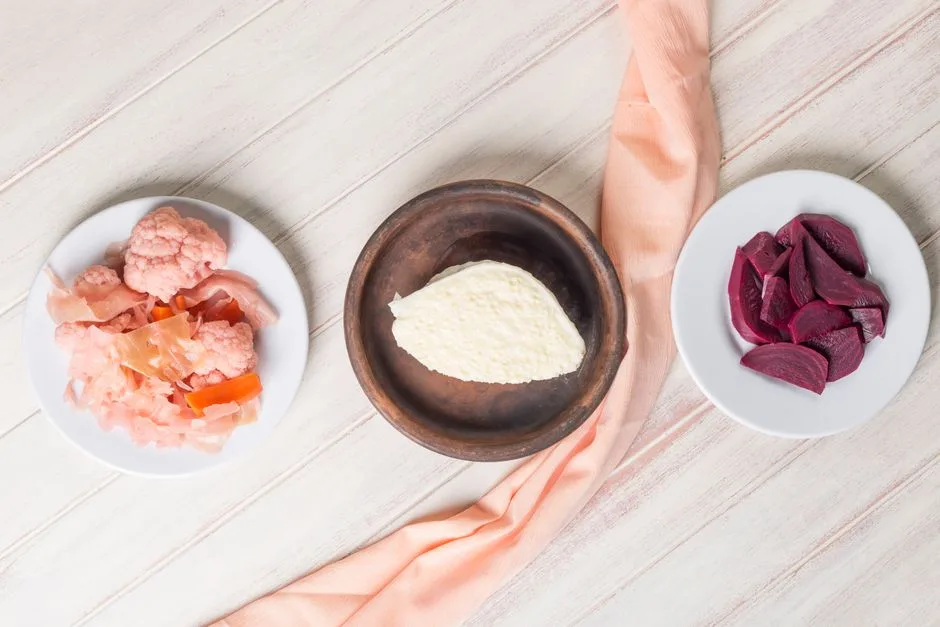
- Include fermented foods such as yogurt, kefir, sauerkraut, and kimchi.
- Eat a wide variety of plant foods each week to feed different types of bacteria.
- Limit foods high in saturated fat, like fried foods and processed meats.
- Choose whole grains over refined grains when possible.
- Stay hydrated, since water supports healthy digestion.
- Limit added sugar, which may feed less helpful bacteria.
Fiber is the most direct way to help your gut make more butyrate.
Foods like garlic, onions, and bananas contain prebiotic fiber that specifically feeds good bacteria.
Polyphenols, found in berries, green tea, and dark chocolate, may also support a healthy gut microbiome.
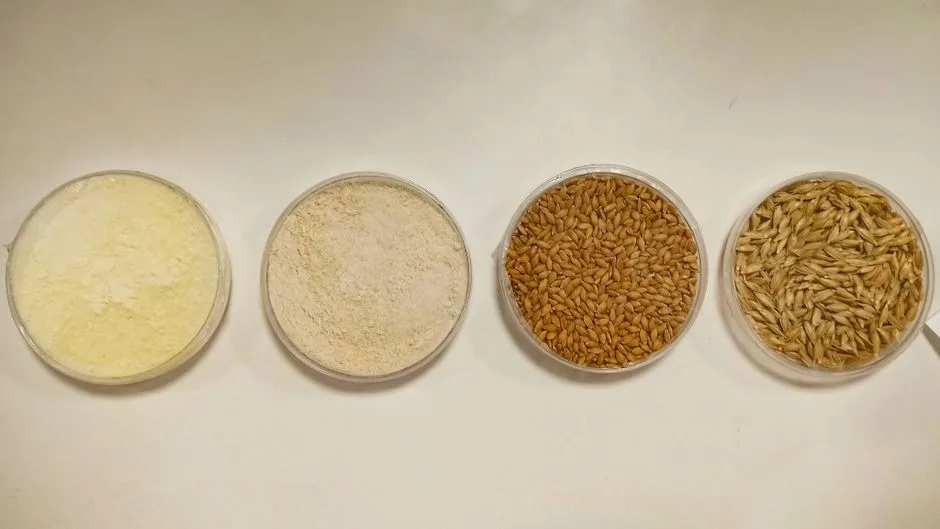
Fermentation can also boost the nutritional value of grain byproducts that would otherwise go to waste, such as wheat bran and other milling leftovers.[3] Microbial bioprocessing of these wheat byproducts increases their antioxidant activity, which may add another layer of gut support beyond fiber alone.[3] Sourdough fermentation works in a similar way, using natural yeasts and bacteria to break down grains before baking.[4] This process changes the makeup of the bread in ways that may make it easier to digest and more supportive of gut bacteria than bread made without fermentation.[5]
Who should pay extra attention to gut health?
Some people may benefit more from focusing on gut health.
- People with obesity or excess body weight, since animal research suggests a link between high fat intake and weaker gut defenses[1].
- People recovering from antibiotic use, since antibiotics can disrupt gut bacteria.
- People with digestive conditions like irritable bowel syndrome or inflammatory bowel disease.
- Older adults, since gut bacteria diversity tends to decline with age.
- Anyone eating a diet low in fiber and high in processed foods.
If you fall into one of these groups, small changes in fiber intake may help.
Talk with a healthcare provider before making major changes, especially if you have an existing digestive condition.
People at risk of gallstones may also want to focus on gut friendly eating patterns.
A large study following two population based cohorts found that diets supporting a healthy gut microbiome, such as those rich in fiber and plant foods, were linked to a lower risk of developing gallstones[2].
This suggests that the same food choices that support butyrate producing bacteria may also protect the gallbladder.
Common questions about gut health and diet
Many people wonder how fast diet changes affect gut bacteria.
Research suggests gut bacteria can shift within a few days of a major diet change.
However, lasting changes in gut health likely take weeks to months of consistent habits.
People also ask if supplements can replace fiber-rich foods.
Whole foods offer fiber along with vitamins, minerals, and plant compounds that work together.
For this reason, food sources are generally preferred over isolated supplements.
Frequently asked questions
What is butyrate and why does it matter?
Butyrate is a short-chain fatty acid made by gut bacteria when they break down fiber. It feeds the cells lining your colon and helps keep the gut barrier strong, based on animal research[1].
Can a high fat diet hurt gut health?
Animal studies suggest a high fat diet may lower butyrate levels and weaken the gut lining, which was linked to worse infection outcomes in mice[1]. More human research is needed to confirm this.
What foods help support healthy gut bacteria?
Fiber-rich foods like beans, oats, and vegetables, along with fermented foods like yogurt and kefir, are good choices for supporting a healthy gut microbiome.
Put this to work in your own food log. Track it free with Ration →
Sources
- [Butyrate alleviates Clostridium difficile infection in high-fat diet-induced obese mice] · PMID 42486817
- The Potential of Microbiota-Modulating Dietary Strategies in Gallstone Prevention: Evidence from 2 Large Population- Based Cohorts · PMID 42504616
- Unlocking Antioxidant Potential in Wheat By-Products Through Microbial Bioprocessing: An Integrated Extraction-QUENCHER Assessment · PMID 42513220
- Sourdough production: fermentation strategies, microbial ecology, and use of non-flour ingredients · PMID 34523363
- Omics approaches to understand sourdough fermentation processes · PMID 29935929
- Curdlan alleviates non-alcoholic fatty liver disease by enriching butyrate-producing gut microbiota-liver axis · PMID 42531785
- Therapeutic and Industrial Applications of Curdlan With Overview on Its Recent Patents · PMID 34262922
- Phase-specific and laser-modulated polydopamine-chlorella-curdlan hydrogels: pioneering a melanoma integrative therapy · PMID 40756368