Are High-Fiber Diets Good for Gut Health and Immunity?
What is dietary fiber?
Dietary fiber is a type of carbohydrate found in plants.
Your body cannot fully break it down.
Instead, fiber moves through your gut mostly intact.
There are two main types, soluble fiber and insoluble fiber.
Soluble fiber dissolves in water and forms a gel.
Insoluble fiber adds bulk to stool and helps things move along.
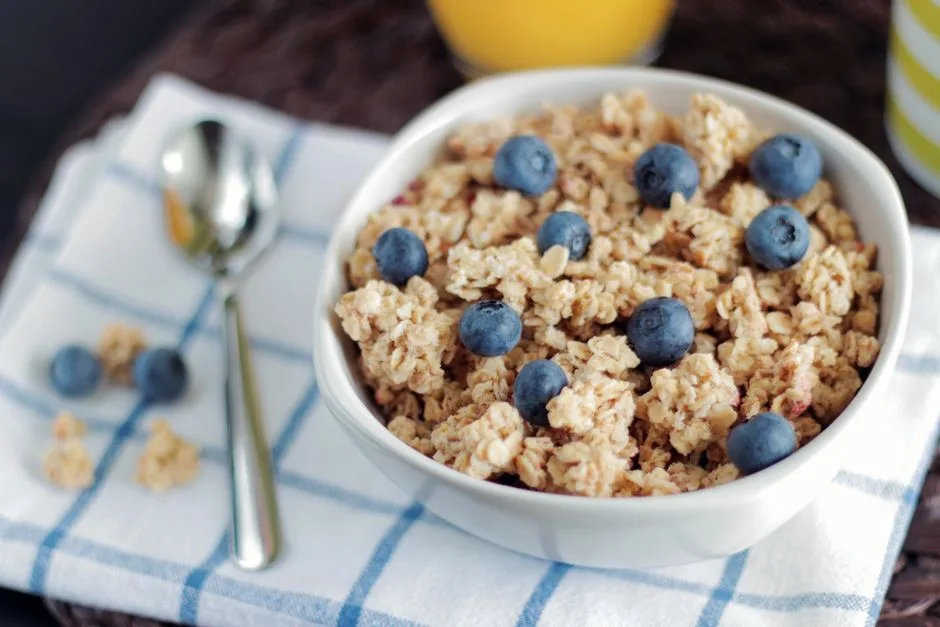
- Oats and barley (soluble fiber)
- Beans and lentils (soluble and insoluble fiber)
- Fruits like apples and pears
- Vegetables like broccoli and carrots
- Whole grains like brown rice and quinoa
- Nuts and seeds, including chia seeds and flaxseed
Why does fiber matter for the gut and immune system?
Your gut is home to trillions of bacteria.
This community of microbes is called the gut microbiota.
Fiber is the main food source for many of these bacteria.
When gut bacteria break down fiber, they make short-chain fatty acids.
These are small molecules like butyrate, acetate, and propionate.
Short-chain fatty acids help keep the lining of your gut strong.
They also help calm inflammation in the body.
A large part of your immune system lives near your gut lining.
This means the food you eat can shape how your immune cells behave.
Can fiber affect cancer treatment?
Immunotherapy is a cancer treatment that helps your immune system attack tumor cells.
One common type is called an immune checkpoint inhibitor.
These drugs release brakes on immune cells so they can find and fight cancer.
Scientists have noticed that not everyone responds the same way to these drugs.
Researchers now think the gut microbiota may help explain this difference.
A 2026 scoping review looked at studies on dietary fiber and immunotherapy outcomes[1].
The review focused mostly on people with melanoma getting anti-PD-1 therapy[1].
It found that higher fiber intake was linked to better treatment responses[1].
People eating more fiber also showed more favorable changes in their gut bacteria[1].
The review only included three studies that met its criteria[1].
This means the evidence is still early and needs more research[1].
Still, the findings fit with what scientists already know about fiber and immune health[1].
No one should change their fiber intake to treat cancer without talking to their care team.
How does fiber help immunity in everyday life?
You do not need to have cancer for fiber to matter for your immune system.
A diverse gut microbiota is linked to a stronger, more balanced immune response.
Fiber helps certain helpful bacteria grow, like Bifidobacteria and Lactobacillus.
These bacteria compete with harmful microbes for space and food.
A gut lining supported by short-chain fatty acids blocks toxins from leaking into the bloodstream.
This process is sometimes called reducing gut permeability.
Chronic low-grade inflammation is linked to many long-term health problems.
Fiber rich diets are linked to lower markers of this kind of inflammation.
What else is fiber good for?
Fiber does more than support gut bacteria.
- Helps lower LDL cholesterol, especially soluble fiber
- Slows sugar absorption, helping steady blood sugar levels
- Adds bulk to stool and helps prevent constipation
- Helps you feel full, which can support a healthy weight
- Feeds beneficial bacteria that make short-chain fatty acids
How much fiber do you need?
Most health groups suggest around 25 grams of fiber a day for women.
Men are often advised to aim for about 38 grams a day.
Many adults get far less than this from their normal diet.
Getting fiber from whole foods is better than relying only on supplements.
Whole foods bring fiber along with vitamins, minerals, and plant compounds called polyphenols.
What should you eat for a fiber-rich, gut-friendly diet?
You can build a fiber-friendly plate with a few simple habits.
- Swap white bread and white rice for whole grain versions
- Add a serving of beans or lentils to soups, salads, or rice bowls
- Keep the skin on fruits and vegetables like apples and potatoes when you can
- Snack on nuts, seeds, or fruit instead of refined chips or crackers
- Add chia seeds or flaxseed to oatmeal, yogurt, or smoothies
- Increase fiber slowly over a few weeks to avoid bloating or gas
- Drink enough water as you add more fiber to your diet
Eating a variety of plant foods matters as much as the total amount of fiber.
Different fibers feed different types of gut bacteria.
A varied diet helps build a more diverse gut microbiota.
Who should be extra mindful of fiber intake?
- People with high cholesterol or heart disease risk
- People managing blood sugar or type 2 diabetes
- People with constipation or irregular digestion
- People undergoing cancer treatment, under medical guidance[1]
- Anyone wanting to support long-term gut and immune health
People with certain gut conditions, like inflammatory bowel disease, may need a customized approach.
Anyone undergoing cancer treatment should discuss diet changes with their oncology team before making them.
Frequently asked questions
Can fiber alone improve immunotherapy results?
Fiber is only one piece of the picture. Early research links higher fiber intake to better immunotherapy responses in some cancer patients, but the evidence is still limited and based on few studies[1].
What foods have the most fiber?
Beans, lentils, whole grains, fruits with skin, vegetables, nuts, and seeds are some of the richest food sources of fiber.
Is it better to get fiber from food or supplements?
Whole foods are generally preferred because they provide fiber along with other nutrients and plant compounds that supplements do not fully replicate.
Put this to work in your own food log. Track it free with Ration →