Ultra-Processed Foods and Inflammation: What Processing Does to Your Body
Key takeaways
- Ultra-processed foods are linked to low-grade, chronic inflammation in the body[2].
- They may harm the gut lining and gut bacteria, which can trigger immune responses[1][4].
- Food additives, added sugar, and low fiber content all play a role in these effects[6][8].
- Cutting back on ultra-processed foods and eating more whole foods can help lower inflammation over time.
What are ultra-processed foods?
Ultra-processed foods are products made mostly from substances extracted from foods, plus additives.
They usually contain ingredients you would not find in a home kitchen.
- Emulsifiers, thickeners, and gums
- Artificial colors and flavors
- Preservatives
- Added sugars and refined starches
- Industrial seed oils
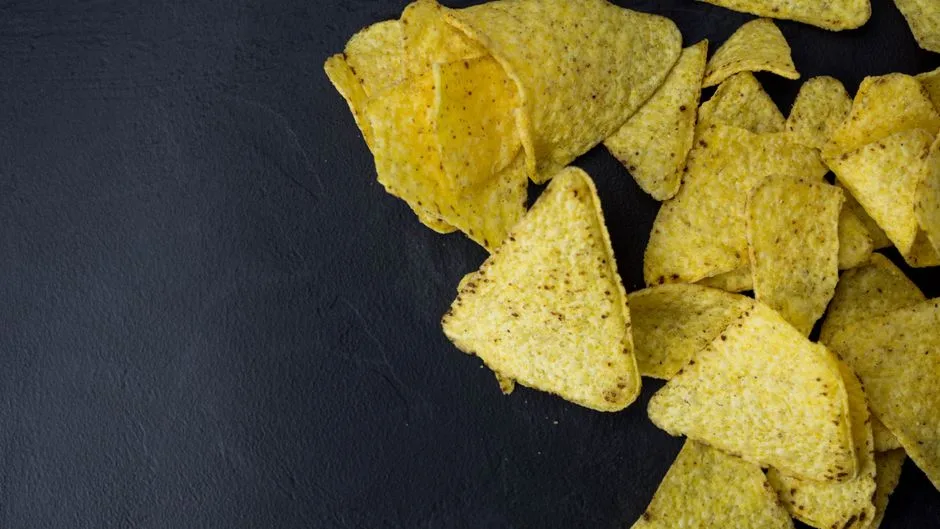
Common examples include packaged snacks, sodas, instant noodles, sugary cereals, and reconstituted meat products like chicken nuggets.
These foods are different from foods that are simply processed, like canned beans or frozen vegetables.
Simple processing can actually help preserve nutrients, while ultra-processing tends to strip them away and add extra chemicals.
Why does inflammation matter?
Inflammation is your body's normal response to injury or infection.
Short bursts of inflammation are healthy and help you heal.
Chronic, low-grade inflammation is different. It stays switched on at a low level for months or years.
This kind of ongoing inflammation is linked to many chronic conditions, including heart disease, type 2 diabetes, and depression[2][5].
Diet is one of the biggest factors that can turn this low-grade inflammation up or down.
How do ultra-processed foods cause inflammation?
Researchers have found several ways ultra-processed foods may drive inflammation in the body.
One major pathway involves the gut lining, called the gut barrier.
Some additives, like emulsifiers, may thin the mucus layer that protects your intestinal wall[1][4].
A weaker gut barrier can let bacterial fragments leak into the bloodstream.
This leakage can trigger the immune system and raise inflammatory markers[4].
Ultra-processed foods also tend to be low in fiber.
Fiber feeds beneficial gut bacteria, which produce short-chain fatty acids that help calm inflammation[8].
Without enough fiber, these helpful bacteria decline, and less friendly species can take over[1][7].
This shift in gut bacteria is sometimes called dysbiosis.
Ultra-processed foods are also linked to changes along the gut brain axis, the communication pathway between your gut and your brain[7].
This may help explain why higher intake has been tied to mood changes and brain volume differences in some studies[5].
Added sugars and refined carbs in these foods can also spike blood sugar quickly.
Frequent blood sugar spikes are linked to oxidative stress, another driver of inflammation[3].
Some specific additives, like emulsifiers, certain sweeteners, and nitrites, have been studied individually for these effects[6].
The type of fat in ultra-processed foods may also matter, since many of these products rely on refined vegetable and seed oils high in omega-6 fatty acids while offering little omega-3[9].
An imbalance between these two fats can push the body toward a more pro-inflammatory state, and low omega-3 intake has been linked to both depression and inflammatory airway conditions like asthma[10][11].
Rebalancing this ratio, by cutting back on ultra-processed oils and adding omega-3 sources like fatty fish or flaxseed, may be another way this dietary pattern shapes inflammation.
Diet composition may also shape inflammation through sulfur-metabolizing gut bacteria, which thrive on the kind of processed meats, refined grains, and additives common in ultra-processed foods[15].
A recent study found that a diet higher in these sulfur-related foods was linked to worse metabolic markers and greater adiposity in adults with overweight or obesity[15].
This suggests another route by which ultra-processed foods could disturb gut bacteria in ways that feed into chronic inflammation.
Gut bacteria may also offer a counterbalance to these effects through compounds like urolithin A, a metabolite made when gut bacteria break down ellagitannins found in foods like pomegranate, walnuts, and berries[17].
Gut bacteria also help control levels of GABA, a signaling molecule that affects metabolism and inflammation, and a diet pattern that drives obesity has been shown to deplete the bacteria that make it[20].
Lower GABA production was linked to metabolic disruption and even tumor growth in the colon in animal studies[20].
Since ultra-processed foods are a major driver of obesity, this points to another way these foods could disturb gut bacteria and feed chronic inflammation.
Diets high in fat, like those common in ultra-processed eating patterns, may also harm the gut through taurine loss.[21] In one animal study, a high-fat diet reduced taurine levels in the gut and led to intestinal injury, alongside memory problems that grew worse when combined with abdominal radiation exposure.[21] Restoring taurine helped protect the gut lining and reduce this damage, suggesting taurine depletion could be another way high-fat, ultra-processed diets disturb the gut barrier and fuel inflammation.[21]
High-fat diets common in ultra-processed eating patterns may also affect bone health through the gut.
In animal studies, high-fat diets disrupted gut bacteria and increased intestinal permeability, which allowed inflammatory signals to reach bone tissue and speed up bone loss, a pathway linked to osteoporosis[22].
This suggests the gut damage caused by ultra-processed foods may reach beyond digestion and metabolism, extending into bone health over time.
High-fat, high-sugar diets typical of ultra-processed eating patterns may also disturb the liver through changes in gut bacteria and their metabolites over time.[23] In one animal study, this kind of diet disrupted the normal coordination between gut microbes and their metabolic byproducts in phases, a shift that tracked closely with the development of metabolic dysfunction-associated steatotic liver disease, a condition marked by fat buildup and inflammation in the liver.[23] A separate mouse model combining a high-salt-sugar-fat diet with reduced kidney function showed that this dietary pattern can drive inflammation and damage across the heart, kidney, and metabolic systems at once, pointing to organ damage that reaches beyond the gut alone.[24]
A high-sugar diet may also fuel inflammation by disrupting immune balance in other tissues, not just the gut.[25] In an animal model, a high-glucose diet worsened autoimmune prostatitis by lowering active vitamin D levels and disrupting a signaling pathway called VDR/ERK, which pushed immune cells to differentiate into Th17 cells, a type of immune cell that drives inflammation.[25] This suggests that added sugar, a hallmark of many ultra-processed foods, can act through hormone and immune signaling pathways well beyond the digestive tract.
Ultra-processed diets may also disturb iron status through the gut, since a healthy balance of gut bacteria helps convert dietary iron into a form the body can absorb and use[26].
When ultra-processed foods disrupt this bacterial balance, a condition called dysbiosis, they can worsen iron deficiency anemia, and the resulting low iron levels can further damage the gut lining and fuel inflammatory signals[26].
This creates a feedback loop where poor gut health and iron deficiency reinforce each other, adding another route by which these foods could sustain chronic inflammation.
Vitamin D status may be another factor linking diet to gut inflammation, since vitamin D helps regulate the immune system and supports repair of the intestinal lining[28].
People with inflammatory bowel disease often have low vitamin D levels, and this deficiency has been tied to more active inflammation and slower mucosal healing[28][30].
Diets low in whole foods and high in ultra-processed products tend to lack key micronutrients like vitamin D, which may compound the gut barrier damage described above[29].
What does the evidence show?
Multiple reviews link higher ultra-processed food intake with higher markers of inflammation, like C-reactive protein[2].
Cardiovascular research suggests ultra-processed foods may raise heart disease risk partly through these inflammatory pathways[3].
Gut health reviews describe damage to the intestinal barrier and shifts in gut bacteria after diets high in these foods[1][4].
One study found links between ultra-processed food intake, brain regions tied to reward and mood, and inflammation markers[5].
Most of this research is observational, meaning it shows strong links but cannot fully prove cause and effect on its own.
Still, the consistency across gut, heart, and brain research makes the pattern hard to ignore.
Ultra-processed foods have also been consistently linked with weight gain and obesity across multiple studies, and excess body fat itself produces inflammatory signals, which may create a cycle that reinforces chronic inflammation[12].
In children, higher intake has been tied to allergy outcomes like asthma and eczema, with researchers pointing to immune and gut barrier changes as possible explanations[13].
It is worth noting that scientists still debate exactly how to define an ultra-processed food, and studies sometimes use different criteria beyond the common NOVA classification system, which can make results harder to compare[14].
A large NHANES analysis of US adults found that people with lower quality, gut microbiota unfriendly diets, the kind heavy in ultra-processed foods and low in fiber, had a higher prevalence of colorectal cancer[27].
This link held up even after accounting for age, weight, and other lifestyle factors, adding colorectal cancer to the list of conditions tied to diets that disturb gut bacteria[27].
What should you actually do?
You do not need to fear all packaged foods.
Small, practical shifts can lower your overall intake of ultra-processed foods over time.
- Build meals around whole foods like vegetables, fruit, beans, and whole grains
- Choose plain yogurt or oats instead of flavored, sugary versions
- Cook simple meals at home more often, even basic ones
- Read ingredient labels and watch for long lists of unfamiliar additives
- Swap soda and sweetened drinks for water, tea, or sparkling water
- Add a source of fiber, like beans, lentils, or vegetables, to most meals
- Choose whole fruit over fruit snacks or juice
- Keep a few convenient whole foods on hand, like frozen vegetables or canned beans
Focus on progress, not perfection.
Replacing even one ultra-processed snack a day with a whole food option is a meaningful step.
Shifting toward a whole-food eating pattern like the Mediterranean diet may offer real protection for people already dealing with gut inflammation.
A systematic review of patients with inflammatory bowel disease found that closer adherence to the Mediterranean diet, which is rich in vegetables, fruit, whole grains, legumes, and olive oil while low in ultra-processed foods, was linked to lower disease activity and better markers of inflammation[16].
This adds to the case that swapping ultra-processed foods for whole-food patterns is not just about avoiding harm, but can actively support gut healing.
Who should pay closest attention?
Some people may benefit even more from cutting back on ultra-processed foods.
- People with existing heart disease or risk factors for it[3]
- People managing type 2 diabetes or insulin resistance
- People with digestive issues like irritable bowel syndrome[1]
- People with a history of depression or anxiety[5]
- Anyone trying to lower long-term inflammation markers
If you have a chronic health condition, talk with a doctor or registered dietitian before making major diet changes.
Frequently asked questions
Are all processed foods bad for you?
No. Simple processing, like freezing vegetables or canning beans, can preserve nutrients and is not the same as ultra-processing.
Can you reverse damage from ultra-processed foods?
Shifting toward whole foods and more fiber may help restore gut bacteria and lower inflammation markers over time, though research is still ongoing[1][8].
Do food additives always cause harm?
Not always, but some additives like certain emulsifiers have been studied for effects on the gut barrier and inflammation[6].
Put this to work in your own food log. Track it free with Ration →
Sources
- Ultra-processed foods and food additives in gut health and disease · PMID 38388570
- Low-Grade Inflammation and Ultra-Processed Foods Consumption: A Review · PMID 36986276
- Ultra-processed Foods and Cardiovascular Diseases: Potential Mechanisms of Action · PMID 33942057
- The Detrimental Impact of Ultra-Processed Foods on the Human Gut Microbiome and Gut Barrier · PMID 40077728
- Consumption of ultra-processed foods is associated with depression, mesocorticolimbic volume, and inflammation · PMID 37207947
- Artificial food additives: hazardous to long-term health? · PMID 38423749
- Effects of ultra-processed foods on the microbiota-gut-brain axis: The bread-and-butter issue · PMID 37087282
- The Health Benefits of Dietary Fibre · PMID 33096647
- The Effect of Diet on Cardiovascular Disease and Lipid and Lipoprotein Levels · PMID 33945244
- Omega-3 fatty acids for depression in adults · PMID 34817851
- Lipid Nutrition in Asthma · PMID 34244966
- [Ultra-processed food consumption and obesity-a systematic review] · PMID 33319568
- Ultra-processed foods, allergy outcomes and underlying mechanisms in children: An EAACI task force report · PMID 39254357
- Definitions of ultra-processed foods beyond NOVA: a systematic review and evaluation · PMID 40655201
- Association of the sulfur microbial diet with metabolic profile, gut-related biomarkers, and adiposity indicators in adults with overweight and obesity · PMID 42493530
- The Potential Role of the Mediterranean Diet on Clinical Outcomes in Patients with Inflammatory Bowel Disease: A Systematic Review · PMID 42492787
- Health Benefits and Molecular Mechanisms of Urolithin A: From a Gut Microbiota-Derived Metabolite to Translational Applications · PMID 42502809
- Urolithins: a Comprehensive Update on their Metabolism, Bioactivity, and Associated Gut Microbiota · PMID 35118817
- Targeting aging with urolithin A in humans: A systematic review · PMID 39002645
- Obesity-driven microbial GABA depletion promotes metabolic rewiring and colorectal cancer progression · PMID 42503520
- Taurine mitigates intestinal injury and spatial memory deficits induced by high-fat diet and abdominal irradiation · PMID 42526595
- The Role of Gut Microbiota in Osteoporosis Triggered by High-Fat Diets: Mechanisms and Targeted Therapeutic Strategies · PMID 42530240
- Phase-dependent Disruption of Microbiome-Metabolome Coordination Is Associated with Diet-Induced MASLD · PMID 42531150
- A novel model of cardiovascular-kidney-metabolic syndrome combining unilateral nephrectomy and high-salt-sugar-fat diet in mice · PMID 39438661
- A high-glucose diet aggravates experimental autoimmune prostatitis via DHVD3/VDR/ERK axis-mediated Th17 differentiation · PMID 42535872
- Gut microbiota and iron deficiency anemia: Mechanisms, microbial signatures, and dietary interactions (A narrative review) · PMID 42521224
- The association between dietary index for gut microbiota and colorectal cancer prevalence in US adults: Findings from NHANES 2003 to 2023 · PMID 42536525
- Vitamin D in mucosal healing: therapeutic potential and current evidence in inflammatory bowel disease · PMID 42542748
- Micronutrient deficiencies in inflammatory bowel disease · PMID 26418823
- Role of Vitamin D in Celiac Disease and Inflammatory Bowel Diseases · PMID 36501183