Iron: Energy, Deficiency Signs, and the Best Food Sources
Key takeaways
- Iron helps make hemoglobin, the protein that carries oxygen in your blood.
- Low iron can cause tiredness, pale skin, shortness of breath, and brittle nails.
- Red meat, shellfish, beans, and dark greens are strong sources of iron.
- Too much iron can also cause harm, so more is not always better.
Iron is a mineral your body needs to make hemoglobin. Hemoglobin is the protein in red blood cells that carries oxygen from your lungs to the rest of your body.
Without enough iron, your body cannot make enough healthy red blood cells. This leads to a condition called iron deficiency anemia, which can leave you feeling tired, weak, and short of breath.
What does iron do in your body?
Iron's main job is helping red blood cells carry oxygen. Every cell in your body needs oxygen to make energy.
Iron also supports other jobs in your body.
- Helps muscles store and use oxygen through a protein called myoglobin
- Supports enzymes involved in making energy inside cells
- Helps your immune system fight off germs
- Supports normal brain development and function
Iron also plays a role in how your body handles fats and other compounds.
Research in mice found that too much iron in the body can disturb lipid and bile acid metabolism, affecting genes tied to fat storage and processing.[3] This shows iron levels need to stay balanced, not just high.
A hormone called hepcidin controls how much iron your gut absorbs and how much gets released from storage.[6] When hepcidin levels are too high, iron can get trapped in storage cells, and this pattern shows up in inflammatory conditions as well as true iron deficiency.[6]
What are the signs of low iron?
Iron deficiency often builds slowly. Signs may be mild at first and get worse as your iron stores drop further.
- Constant tiredness or low energy
- Pale skin, gums, or inner eyelids
- Shortness of breath, even with light activity
- Fast or irregular heartbeat
- Headaches or dizziness
- Brittle nails or hair loss
- Cold hands and feet
- Unusual cravings for non-food items like ice or dirt
- Sore or smooth tongue
- Trouble concentrating
Some groups have a higher risk of low iron.
This includes people who menstruate heavily, pregnant people, infants, frequent blood donors, and people with digestive conditions that affect nutrient absorption.
A recent review of iron deficiency in adults notes that it remains one of the most common nutrient deficiencies worldwide, and it can occur even without anemia, causing fatigue and reduced quality of life before blood counts drop.[4]
A blood test is the only reliable way to confirm iron deficiency. Symptoms alone are not enough to know your iron status.
School based programs may help catch and prevent iron deficiency in teens before it becomes severe.
A pilot program that gave adolescent girls a weekly iron folic acid supplement through their schools found it was a practical way to help prevent anemia in this high risk group.[9] This suggests that reaching young people through schools, rather than waiting for symptoms to appear, could be a useful strategy for lowering rates of iron deficiency.[9]
Your gut bacteria may also play a role in iron deficiency anemia, according to a recent review that looked at how the gut microbiota interacts with iron absorption.[11] Certain bacterial species can compete for iron or produce compounds that affect how well your intestines take it up, while an imbalance in gut bacteria has been linked to lower iron status.[11] The review points out that dietary patterns which support a healthy gut microbiome may work alongside iron rich foods to improve absorption and help prevent deficiency.[11]
Can you have too much iron?
Yes. Iron overload can happen from a genetic condition called hemochromatosis, or from taking too many iron supplements.
Extra iron builds up in organs like the liver and heart. Over time, this can damage tissue and disrupt normal metabolism.
In animal research, iron overload changed how the body processed fats and bile acids, pointing to broader effects on metabolic health when iron levels run too high.[3] This is a reminder that iron needs balance.
Getting iron from food is generally considered safer than high dose supplements, since food sources are less likely to cause overload in people without an underlying condition.
What foods have the most iron?
Iron in food comes in two forms. Heme iron comes from animal foods and is absorbed more easily by your body.
Non-heme iron comes from plant foods and is absorbed less efficiently.
- Red meat, such as beef and lamb
- Organ meats, like liver
- Shellfish, including oysters, clams, and mussels
- Poultry, such as chicken and turkey
- Beans and lentils
- Tofu and other soy foods
- Spinach and other dark leafy greens
- Pumpkin seeds
- Quinoa
- Fortified cereals and breads
Pairing plant based iron sources with a source of vitamin C, like citrus fruit or bell peppers, can help your body absorb more non-heme iron.
On the other hand, drinking tea or coffee with meals may reduce how much iron your body absorbs.
When food alone is not enough, oral iron supplements are often used, and newer formulations are being studied to reduce common side effects like stomach upset and constipation while still restoring iron stores effectively.[5]
House crickets are being studied as a new source of dietary iron, and a recent review found they contain a notably high iron content compared to many conventional protein foods.[8] Cricket flour is also a good source of protein, fiber, and other minerals, which makes it a promising ingredient for people looking to boost iron intake through sustainable foods.[8] Researchers see this insect based option as a way to diversify iron sources beyond typical meat, seafood, and plant foods.[8]
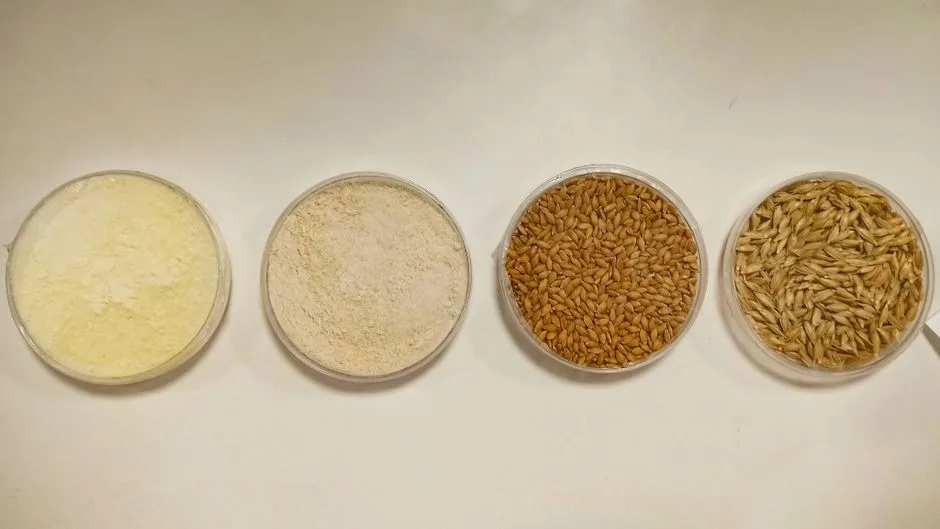
Certain compounds added to cereal based meals, called adjuvants, may help your body absorb more of the iron already present in grains.[10] Cereals naturally contain phytic acid, a compound that binds iron and lowers its bioaccessibility, meaning less of it is available for your gut to absorb.[10] Researchers reviewing this topic found that pairing cereals with specific adjuvants can help counter this effect and improve how much iron the body can actually use from these staple foods.[10]
Should you worry about iron and other health conditions?
Iron does not act alone in the body. It interacts with other compounds and pathways tied to inflammation and metabolism.
For example, some plant compounds studied for other health effects, like baicalin and baicalein, are being researched for their role in modulating processes tied to disease, including how the body's internal environment responds to stress.[2] While this research is not about iron directly, it shows how nutrients and plant compounds work within larger, connected systems in your body.
Similarly, gut health tools like probiotics and polysaccharide microgels are being studied for conditions such as high uric acid levels, showing how researchers are looking at whole body systems rather than single nutrients alone.[1] Iron status is likely best understood the same way, as one piece of a larger picture involving diet, gut health, and metabolism.
Heme iron intake, the kind found in red meat, has also been studied for its link to colorectal cancer risk, and a large prospective analysis found that higher heme iron intake was associated with a greater risk of colorectal cancer.[7] Interestingly, calcium intake seemed to change this relationship, with the increased risk showing up mainly in people with lower calcium intake.[7] This suggests that thinking about iron in isolation may not tell the full story, and looking at how nutrients like calcium interact with iron rich foods matters for long term health.
Frequently asked questions
How much iron do you need each day?
Needs vary by age, sex, and life stage. People who menstruate, pregnant people, and growing children generally need more iron than adult men or people past menopause. A healthcare provider can help figure out the right amount for you.
Can you get enough iron from a plant based diet?
Yes, but it takes planning. Non-heme iron from plants is absorbed less easily, so eating a variety of iron rich plant foods along with vitamin C can help your body use more of it.
What is the fastest way to know if you are low in iron?
A simple blood test ordered by a healthcare provider is the most reliable way to check your iron levels. This is more accurate than guessing based on symptoms alone.
Put this to work in your own food log. Track it free with Ration →
Sources
- The Uric Acid Degrading Probiotics MC1 in Quercetin Nanocoatings and Bioactive Polysaccharides Microgels for Anti-Hyperuricemia and Gut Microenvironment Modulation · PMID 41870112
- Baicalin and baicalein in modulating tumor microenvironment for cancer treatment: A comprehensive review with future perspectives · PMID 38061594
- Ferulic Acid Alleviates Lipid and Bile Acid Metabolism Disorders by Targeting FASN and CYP7A1 in Iron Overload-Treated Mice · PMID 39594419
- Iron Deficiency in Adults: A Review · PMID 40159291
- Oral iron supplementation: new formulations, old questions · PMID 38618666
- Hepcidin and Iron in Health and Disease · PMID 35905974
- Heme iron intake and the risk of colorectal cancer: a prospective analysis of the modifying role of calcium · PMID 42496761
- House Cricket (Acheta domesticus) as a Promising Functional Ingredient: A Synoptical Review on Nutritional Value, Technological Properties and Sustainability Perspectives · PMID 42505860
- Anaemia Prevention Among Adolescent Girls in Lodhran, Punjab, Pakistan: A School-Based Weekly Iron-Folic Acid Supplementation Pilot Program · PMID 42514398
- A review of role and applications of adjuvants in enhancing bioaccessibility of mineral in cereals · PMID 42534607
- Gut microbiota and iron deficiency anemia: Mechanisms, microbial signatures, and dietary interactions (A narrative review) · PMID 42521224