Are Apples Healthy?
Key takeaways
- Apples are low in calories but rich in fiber, vitamin C, potassium, and polyphenols like quercetin.
- Whole raw apples digest slowly and support fullness better than apple juice or applesauce.[4]
- Apple polyphenols may support heart health, blood sugar control, and gut bacteria diversity.[1][3][2]
- Eating the whole apple, skin included, gives you the most fiber and antioxidants.
What is an apple, nutritionally speaking?
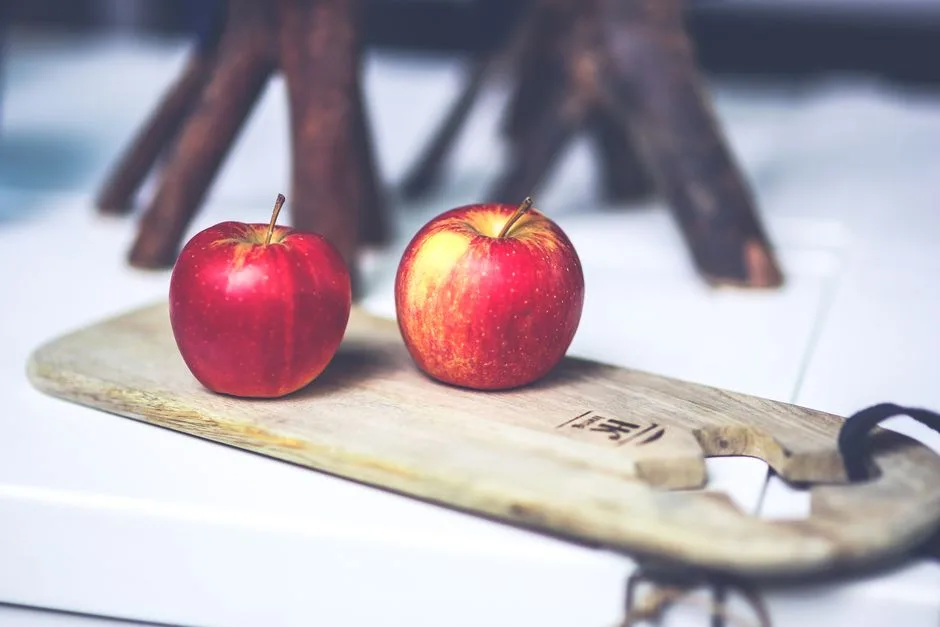
An apple is a crunchy fruit that grows on trees in the genus Malus.
A medium apple has about 95 calories.
Most of those calories come from carbs, mainly natural sugars like fructose.
Apples also carry fiber, vitamin C, potassium, and small amounts of vitamin K and B vitamins.
The skin holds a big share of the nutrients, so eating apples unpeeled matters.
Apples also contain plant compounds called polyphenols, including quercetin, catechin, and chlorogenic acid.
Why do apples get called a superfood?
Apples are cheap, easy to find, and easy to eat, which makes their nutrients easy to access.
The fiber in apples comes in two forms, soluble and insoluble.
Soluble fiber, called pectin, can slow digestion and help you feel full longer.
Insoluble fiber adds bulk to stool and supports regular bowel movements.
Apples are also a source of quercetin, an antioxidant studied for its role in blood pressure and inflammation.
A study measuring blood levels after eating found that quercetin from apples is absorbed into the body and reaches the bloodstream within hours.[3]
This shows apples are not just fiber, they deliver active plant compounds too.
What does the research say about apples and health?
Much of the apple research focuses on apple cider vinegar rather than the whole fruit, but it still points to the value of apple-derived compounds.
A meta-analysis of randomized trials found that apple cider vinegar improved lipid profiles, including total cholesterol and triglycerides, in adults.[1]
The same review found apple cider vinegar improved glycemic markers like fasting blood sugar.[1]
These effects likely come from acetic acid, not from the fiber or polyphenols found in whole apples, so whole fruit and vinegar should not be viewed as interchangeable.
How you eat an apple also changes how your body responds to it.
A randomized trial compared whole apples to apple puree and apple juice.[4]
Processing apples into puree or juice sped up how fast the stomach emptied and lowered feelings of fullness compared to eating the whole fruit.[4]
This suggests whole apples support satiety better than juiced or blended versions.
Apples also carry their own community of bacteria on the skin and inside the fruit.[2]
Research comparing healthy apples to diseased apples found distinct bacterial communities living on the fruit surface, a reminder that fresh produce always carries some natural microbial life.[2]
Can apples help your heart and blood sugar?
The fiber and polyphenols in apples are often linked to heart health in nutrition science.
Soluble fiber can bind to cholesterol particles in the gut and help remove them from the body.
Quercetin and other flavonoids in apples are studied for their antioxidant effects on blood vessels.
The cholesterol and blood sugar benefits seen with apple cider vinegar in trials suggest that acetic acid and apple-derived compounds can influence metabolic health.[1]
Whole apples have a lower glycemic impact than apple juice because fiber slows sugar absorption.
This lines up with findings that whole apples slow gastric emptying compared with processed apple products.[4]
How should you eat apples for the most benefit?
Small changes in how you buy, store, and eat apples can help you get more nutrition from them.
- Eat the apple with the skin on to keep the fiber and polyphenols intact.
- Choose whole apples over apple juice or applesauce most of the time.[4]
- Pair an apple with a source of protein or healthy fat, like peanut butter or cheese, to help you feel full longer.
- Wash apples well before eating since fresh produce naturally carries surface bacteria.[2]
- Store apples in the refrigerator to keep them crisp and slow nutrient loss.
- Vary your apple varieties, since color and tartness can reflect different polyphenol levels.
Who should be careful with apples?
Apples are safe for almost everyone, but a few groups may need to pay attention.
- People with oral allergy syndrome may react to raw apples due to cross reactivity with birch pollen.
- People with irritable bowel syndrome may need to watch portion size, since apples contain fermentable sugars that can trigger bloating.
- People on blood sugar medication may want to monitor how whole apples versus apple juice affect their glucose differently.
- Anyone managing weight may want to limit apple juice, since it lacks the fiber that supports fullness.[4]
Common questions about apples
People often ask if one type of apple is healthier than another.
In general, all apple varieties share the same basic nutrition profile, though tart, deeply colored apples may carry more polyphenols.
People also ask if apple juice counts as a serving of fruit.
Apple juice lacks most of the fiber found in the whole fruit and moves through the stomach faster, leading to less fullness.[4]
Because of this, whole apples are generally the better choice over juice.
Frequently asked questions
Is it better to eat apples with or without the skin?
Eating the skin gives you more fiber and more polyphenols like quercetin, so whole unpeeled apples offer more nutrition.
Does apple cider vinegar have the same benefits as eating an apple?
Apple cider vinegar has been studied for cholesterol and blood sugar effects tied to its acetic acid content, but it does not provide the fiber and vitamin C found in the whole fruit.[1]
Can apples help you feel full?
Whole raw apples slow stomach emptying and support fullness better than apple puree or apple juice, likely due to their fiber content.[4]
Put this to work in your own food log. Track it free with Ration →
Sources
- The effect of apple cider vinegar on lipid profiles and glycemic parameters: a systematic review and meta-analysis of randomized clinical trials · PMID 34187442
- Comparison of Bacterial Community of Healthy and Erwinia amylovora Infected Apples · PMID 34365751
- Pharmacokinetics of quercetin absorption from apples and onions in healthy humans · PMID 22439822
- Processing Apples to Puree or Juice Speeds Gastric Emptying and Reduces Postprandial Intestinal Volumes and Satiety in Healthy Adults · PMID 32805050