Are Apricots Healthy?
Key takeaways
- Apricots are a low-calorie fruit rich in vitamin A, vitamin C, potassium, fiber, and antioxidant polyphenols.
- Their fiber may help blunt blood sugar spikes and support fullness, though dried apricots are more concentrated in sugar[6][3].
- Small human trials link apricot intake to favorable changes in antioxidant and oxidative stress markers[4].
- Fresh apricots are the lower-sugar, lower-calorie choice, while dried apricots are a convenient but more concentrated snack.
What is an apricot?
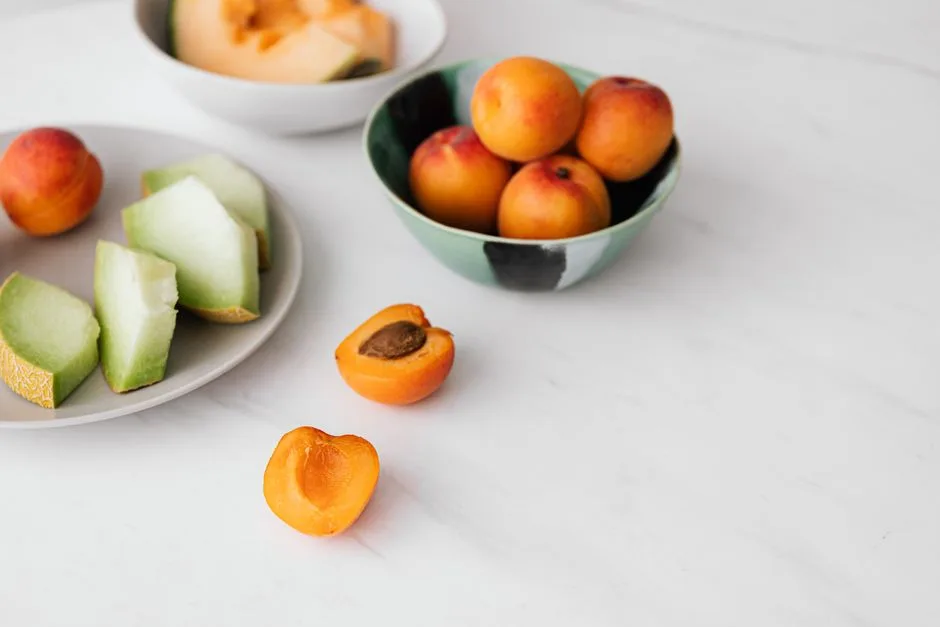
Apricots are small, orange stone fruits related to peaches and plums.
They grow on trees and have a fuzzy skin, soft flesh, and a single hard pit in the middle.
You can eat them fresh, dried, canned, or as jam.
Dried apricots are one of the most common forms sold in stores, since drying extends their shelf life a lot.
What nutrients do apricots have?
Fresh apricots are low in calories and high in water.
They contain fiber, vitamin A (from beta carotene), vitamin C, and potassium.
Dried apricots pack the same nutrients into a smaller, more concentrated form, but also concentrate the natural sugars.
- Vitamin A, mostly as beta carotene, which the body turns into an antioxidant form of the vitamin
- Vitamin C, an antioxidant that supports the immune system and skin
- Potassium, a mineral that helps control blood pressure
- Fiber, which supports digestion and gut health
- Polyphenols, plant compounds with antioxidant activity
Researchers use certain plant compounds in apricots, like specific polyphenols, as biomarkers to track how much stone fruit a person actually eats in studies[5].
Do apricots help with blood sugar?
Apricots have a lower glycemic impact than many other sweet snacks, largely because of their fiber content.
Fiber slows down how fast sugar enters the bloodstream after a meal.
A randomized trial testing a sugar-free apricot jam found it produced a lower blood sugar spike compared to some other sweet spreads, suggesting apricots can be worked into a lower glycemic snack or spread[6].
That same trial also compared the apricot jam against a cocoa spread and a dried cranberry cereal bar, and found the apricot jam led to a smaller rise in both blood sugar and insulin after the meal[8].
Similar research on cereal-based foods enriched with fruit fiber has shown effects on appetite and on hormones tied to hunger and fullness, which points to how fruit fiber in general can shape how full and satisfied you feel after eating[3].
This does not mean apricots have zero effect on blood sugar, since dried apricots especially are more concentrated in natural sugar.
People managing blood sugar closely may want to favor fresh apricots over dried, or watch portion sizes of dried fruit.
Can apricots fight oxidative stress?
Oxidative stress happens when unstable molecules called free radicals build up faster than the body can clear them.
Over time, this stress is linked to aging and to chronic disease risk.
Antioxidants, including vitamin C, vitamin A, and polyphenols, help neutralize free radicals.
A dietary intervention study gave adults apricots, pomegranate juice, or fermented sobya for three weeks and measured blood markers of antioxidant activity and oxidative stress[4].
The study found changes in enzyme activity and antioxidant markers, supporting the idea that apricots can contribute measurable antioxidant support as part of the diet[4].
This kind of short-term biomarker study is useful, but it does not prove apricots prevent disease on their own.
Are dried apricots as healthy as fresh?
Drying removes water from apricots, which concentrates both the nutrients and the natural sugars.
A dried apricot has more calories, fiber, and sugar per bite than a fresh one, simply because it is more compact.
Researchers have studied ways to improve how dried apricots are processed, including ultrasound-assisted drying methods and protective coatings, to help preserve nutrients and quality during drying and storage[2].
Better drying methods can help dried apricots keep more of their vitamin content and stay fresh longer without needing as many added preservatives[2].
Researchers have also tested adding probiotic bacteria, free or encapsulated, to apricot leather (a dried fruit sheet also called pestil), and found this can change its texture and microbial quality during storage, which points to new ways dried apricot products might be made healthier[9].
Some commercial dried apricots also contain added sulfites, a preservative that keeps the fruit's bright orange color.
People with sulfite sensitivity may want to check labels or choose unsulfured dried apricots, which tend to look darker brown.
Can apricots affect the skin or immune system?
Vitamin A plays a role in skin health and immune function.
Some inflammatory skin conditions involve immune cells that shift their behavior in response to triggers in the body.
One study on palmoplantar pustulosis, a chronic skin condition, examined how certain immune cells change type during the disease process[1].
That research was not about apricots or diet directly, but it illustrates how complex immune and skin conditions can be, and why no single fruit should be seen as a treatment for a diagnosed condition[1][7].
Apricots can still be a reasonable source of nutrients that support general skin and immune health as part of a varied diet.
How to add apricots to your diet
- Eat fresh apricots as a snack on their own, similar to how you would eat a peach or plum
- Slice fresh apricots into yogurt, oatmeal, or a green salad
- Use a small handful of dried apricots as a portable snack, paired with nuts for protein and fat
- Chop dried apricots into trail mix, granola, or baked oats
- Simmer apricots into a low-sugar jam or compote to spread on toast
- Grill or roast fresh apricot halves as a side dish or dessert topping
- Blend apricots into a smoothie for natural sweetness and fiber
Choose fresh apricots that feel slightly soft and smell fragrant, since these signs point to ripeness.
Store ripe apricots in the fridge, and keep unripe ones at room temperature until they soften.
When buying dried apricots, compare labels, since some products have added sugar on top of the fruit's natural sugar.
Who should be cautious with apricots?
- People with diabetes or insulin resistance, who may need to limit dried apricots and stick to modest portions of fresh fruit
- People with sulfite sensitivity or asthma triggered by sulfites, who should check dried apricot labels
- People with a known allergy to stone fruits, such as peaches or plums, since apricots belong to the same family
- People following a low FODMAP diet for irritable bowel syndrome, since dried fruit can be high in fermentable sugars
Apricot kernels, the seed inside the pit, contain compounds that can release cyanide and should not be eaten in any meaningful amount.
Sticking to the fruit itself, fresh or dried, avoids this risk entirely.
Frequently asked questions
Are apricots good for weight loss?
Fresh apricots are low in calories and contain fiber and water, which can help you feel full on fewer calories. Dried apricots are more calorie-dense, so portion size matters more with the dried version.
Can you eat apricot skin?
Yes, the skin is edible and contains fiber and some of the fruit's antioxidant compounds. Washing the fruit first is a good idea to remove any residue.
How many apricots should you eat a day?
There is no official daily target for apricots specifically. A common serving is around 2 to 4 fresh apricots or a small handful of dried ones, fit within an overall balanced diet.
Put this to work in your own food log. Track it free with Ration →
Sources
- Single-cell analysis implicates T(H)17-to-T(H)2 cell plasticity in the pathogenesis of palmoplantar pustulosis · PMID 35568077
- Properties of Dried Apricots Pretreated by Ultrasound-Assisted Osmotic Dehydration and Application of Active Coatings · PMID 33281481
- An enriched, cereal-based bread affects appetite ratings and glycemic, insulinemic, and gastrointestinal hormone responses in healthy adults in a randomized, controlled trial · PMID 25644342
- Three week dietary intervention using apricots, pomegranate juice or/and fermented sour sobya and impact on biomarkers of antioxidative activity, oxidative stress and erythrocytic glutathione transferase activity among adults · PMID 27175476
- Food intake biomarkers for apple, pear, and stone fruit · PMID 30519365
- Short-term effects of sugar-free apricot jam, cocoa powder and dried cranberry cereal bar on glycaemic responses in healthy adults: a randomised clinical trial · PMID 36304830
- Single-cell analysis implicates T(H)17-to-T(H)2 cell plasticity in the pathogenesis of palmoplantar pustulosis · PMID 35568077
- Short-term effects of sugar-free apricot jam, cocoa powder and dried cranberry cereal bar on glycaemic responses in healthy adults: a randomised clinical trial · PMID 36304830
- The effect of free and encapsulated probiotic bacteria on some physicochemical, microbiological, and textural properties of apricot leather (pestil) during storage · PMID 39013017