Is Hibiscus Tea Good for You?
Key takeaways
- Hibiscus tea is made from the dried calyces of Hibiscus sabdariffa and is rich in antioxidants called anthocyanins.
- Some research links hibiscus tea to lower blood pressure and improved cholesterol, though more human trials are needed.
- A 2026 study found trace heavy metals like arsenic in market hibiscus calyces, mostly within safe limits but worth monitoring[1].
- Most people can enjoy hibiscus tea in moderation, but pregnant people and those on certain medications should be cautious.
What is hibiscus tea?
Hibiscus tea comes from the calyces of the Hibiscus sabdariffa plant.
The calyx is the leafy, cup-shaped part that holds the flower before it blooms.
Once dried, these calyces turn a deep red color.
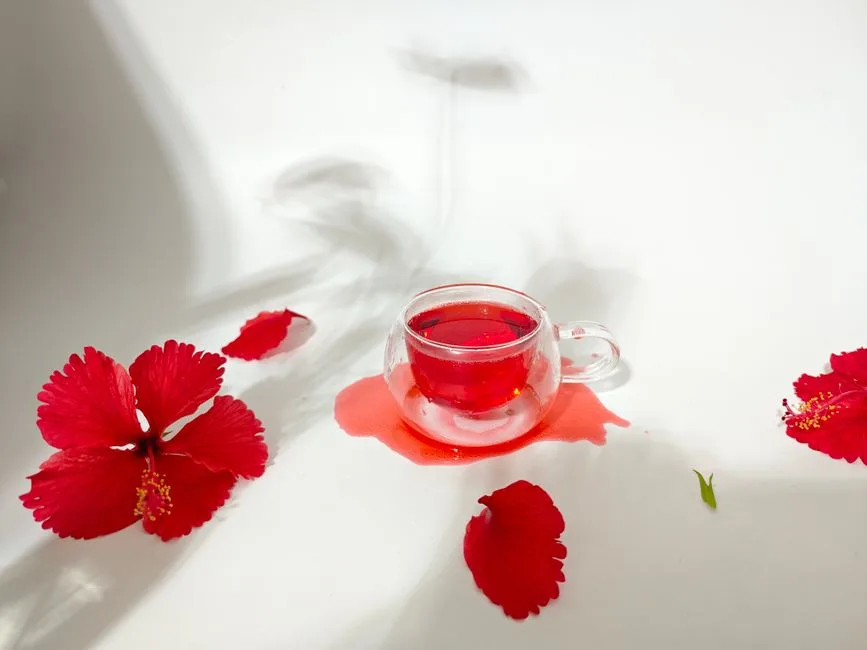
Steeping them in hot water makes a tart, cranberry-like drink often called sobolo, agua de jamaica, or simply hibiscus tea.
It is naturally caffeine free.
People drink it hot or cold, often sweetened with sugar or honey.
Why does hibiscus tea matter for health?
Hibiscus calyces are packed with plant compounds called anthocyanins.
Anthocyanins are antioxidants that give many red and purple foods their color.
Antioxidants help protect your cells from damage caused by unstable molecules called free radicals.
Hibiscus tea also contains organic acids, flavonoids, and small amounts of minerals like iron, zinc, copper, and manganese.
These nutrients and compounds are the reason researchers keep studying hibiscus for heart health and metabolic effects.
Does hibiscus tea lower blood pressure?
This is the most studied benefit of hibiscus tea.
Several clinical trials have found that drinking hibiscus tea regularly can modestly lower systolic blood pressure in adults with mildly elevated readings.
The effect appears to come from hibiscus acting like a mild ACE inhibitor and diuretic, which relaxes blood vessels and helps the body release excess sodium.
The drop in blood pressure is usually small, similar to modest lifestyle changes rather than medication-level effects.
People with high blood pressure should still talk to a doctor before relying on hibiscus tea as a treatment.
Does hibiscus tea help cholesterol and blood sugar?
Some studies suggest hibiscus tea may modestly lower LDL cholesterol, the type linked to artery plaque buildup.
Other research points to small improvements in blood sugar control, possibly through effects on how the body absorbs starches.
These findings are promising but not yet strong enough to call hibiscus tea a treatment for high cholesterol or diabetes.
It may work best as one small piece of an overall healthy eating pattern, alongside fiber-rich foods and regular movement.
Are there heavy metals in hibiscus tea?
Because hibiscus calyces are a crop grown in soil, they can absorb trace minerals and metals from the environment.
A 2026 study tested hibiscus calyces sold in markets across three regions of Ghana for eight metals, including lead, cadmium, mercury, and arsenic[1].
The good news is that average levels of all eight metals fell below international safety limits set by Codex Alimentarius and the EU[1].
Overall health risk scores for both adults and children were well within the safe range[1].
Arsenic was the biggest contributor to risk in children, making up nearly half of their total exposure estimate[1].
When researchers calculated lifetime cancer risk from arsenic under a worst case scenario, assuming all the metal transfers from calyx to beverage, some adult estimates from certain markets exceeded the usual acceptable threshold[1].
Children's estimated cancer risk from arsenic stayed within the acceptable range in this same analysis[1].
The researchers noted this worst case assumption likely overstates real exposure, since not all metal in a dried calyx dissolves into your cup[1].
They recommended more testing on how much metal actually transfers into brewed tea, plus testing across different seasons[1].
This kind of finding is not unique to hibiscus, since many teas, herbs, and even rice and leafy greens can pick up trace metals from soil and water.
It is a reason to enjoy hibiscus tea in moderation rather than avoid it entirely.
What to do: how to enjoy hibiscus tea safely
Here are some simple, practical steps for adding hibiscus tea to your routine.
- Stick to one to two cups a day rather than drinking it constantly throughout the day.
- Buy hibiscus from brands or sellers that test for contaminants when possible.
- Vary your tea choices instead of relying on hibiscus as your only daily drink.
- Avoid pairing hibiscus tea with medications for blood pressure without medical advice, since effects may add up.
- Skip hibiscus tea if you are pregnant or breastfeeding, since safety data is limited.
- Watch added sugar if you sweeten your tea, since this can offset some of the drink's benefits.
- Store dried hibiscus calyces in a cool, dry place away from sunlight to keep quality high.
Who should be cautious with hibiscus tea?
Most healthy adults can drink hibiscus tea safely in normal amounts.
People taking blood pressure medication should check with a doctor first, since hibiscus may lower blood pressure further.
People on diabetes medication should also be cautious, given hibiscus's possible effect on blood sugar.
Pregnant people are often advised to avoid hibiscus tea, since some animal research suggests it could affect hormone levels or the uterus.
Young children may be more sensitive to trace contaminants like arsenic on a body weight basis, which is part of why researchers flagged this group for closer study[1].
Anyone with kidney disease should talk to a doctor before drinking herbal teas regularly, since some contain compounds that affect kidney function.
The bottom line
Hibiscus tea is a flavorful, caffeine-free drink with real potential benefits for blood pressure and heart health.
Current evidence on heavy metals suggests typical hibiscus tea is safe for most people, though monitoring and further research are still warranted[1].
Enjoying it in moderation, as part of a varied diet, is a reasonable way to get its potential benefits while limiting any risk.
Put this to work in your own food log. Track it free with Ration →