Polyphenols: Benefits, Food Sources, and Why Your Gut Bacteria Matter
Key takeaways
- Polyphenols are natural compounds in plants that act as antioxidants and support heart, brain, and gut health.
- Your gut bacteria break down polyphenols into smaller metabolites, and this process differs a lot from person to person.
- Scientists call these differences metabotypes, meaning some people make certain beneficial metabolites and others do not.
- Eating a variety of polyphenol rich foods and supporting gut health may help you get more benefit from these compounds.
What are polyphenols?
Polyphenols are natural chemicals found in plants.
Plants make them to protect themselves from sun damage, insects, and infection.
When you eat plants, you get these compounds too.
There are thousands of different polyphenols.
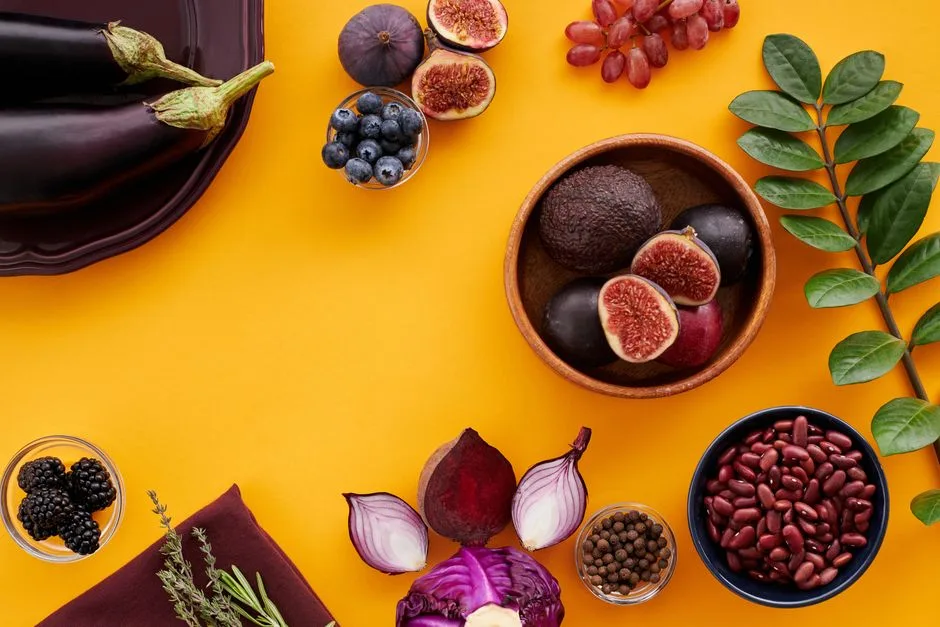
- Flavonoids, found in berries, tea, and cocoa
- Phenolic acids, found in coffee and whole grains
- Lignans, found in flaxseed and sesame seeds
- Stilbenes, like resveratrol, found in grapes and red wine
Many polyphenols act as antioxidants.
Antioxidants help protect your cells from damage caused by unstable molecules called free radicals.
Why do polyphenols matter for health?
Diets rich in polyphenols are linked to lower rates of chronic disease.
Researchers have studied polyphenols for their possible role in heart health, blood sugar control, brain health, and inflammation.
Part of the challenge is that polyphenols do not work alone in your body.
Most polyphenols are absorbed poorly in your stomach and small intestine.
This means a large amount travels down to your colon, where trillions of gut bacteria live.
Your gut microbiota then breaks these compounds down into smaller pieces called metabolites[1].
These metabolites can be absorbed into your blood and may have different effects than the original polyphenol[1].
How do gut bacteria change polyphenols?
Scientists have identified several important metabolites made by gut bacteria.
- Urolithins, made from ellagitannins found in pomegranates, walnuts, and berries
- Equol, made from soy isoflavones
- Enterolignans, made from lignans in flaxseed and whole grains
- Phenyl gamma valerolactones, made from flavan 3 ols in tea and cocoa
Not everyone makes the same amount of these metabolites.
This depends on which bacterial species live in your gut[1].
Researchers use the word metabotype to describe this pattern[1].
A metabotype is a way of grouping people by how well they convert a polyphenol into its active metabolite[1].
For example, some people can convert ellagitannins into urolithin A, while others cannot produce it at all[1].
The same is true for equol, which only some people can produce from soy isoflavones[1].
This may help explain why studies on soy and polyphenol supplements sometimes show mixed results, since not every participant may respond the same way[1].
What does the evidence show about health effects?
Researchers have looked at how these microbial metabolites may affect the body.
Early research points to possible roles in mitochondrial function, the part of your cells that produces energy[1].
Other research areas include blood vessel health, blood sugar regulation, inflammation, and the gut lining itself[1].
Some effects have more support from studies in humans.
Others are based mostly on lab or animal studies and need more human research before we can be confident[1].
Scientists say metabotypes are a promising research tool right now[1].
They are not yet ready to be used for personalized diet advice in a doctor's office[1].
This is because testing methods are not standardized across labs, and long term studies are still limited[1].
What determines your metabotype?
Your gut bacteria composition is shaped by many factors.
- Your regular diet, especially fiber and plant food intake
- Age and sex
- Antibiotic use and other medications
- Genetics
- Geographic region and lifestyle
Because of this, your metabotype can shift over time as your gut bacteria change.
Eating more fiber and plant foods regularly may support the type of bacteria linked to helpful polyphenol metabolites[1].
What should you actually eat?
You do not need to know your personal metabotype to benefit from polyphenols.
A varied plant based diet is the simplest way to get a wide range of these compounds.
- Eat a mix of colorful fruits and vegetables, especially berries, cherries, and dark leafy greens
- Include tea or coffee, both major polyphenol sources
- Add flaxseed or sesame seeds for lignans
- Choose whole grains over refined grains
- Include nuts like walnuts and legumes like soybeans
- Cook with herbs and spices, which are concentrated polyphenol sources
- Support your gut bacteria with fiber from vegetables, beans, and whole grains
Eating polyphenol rich foods with fiber may help feed the bacteria that produce beneficial metabolites.
Variety matters more than any single superfood.
This is because different bacteria specialize in breaking down different polyphenols.
Who might benefit most?
Anyone eating a typical Western diet low in plants could likely benefit from adding more polyphenol rich foods.
People interested in heart health, healthy aging, or metabolic health are common groups studied in this research area.
People who already eat a lot of fruits, vegetables, tea, and whole grains are likely already getting a broad polyphenol intake.
Supplements that isolate a single polyphenol may not have the same effect as whole foods, partly because whole foods deliver fiber and other compounds alongside polyphenols.
Is precision nutrition based on metabotypes here yet?
The idea of personalized nutrition based on your gut bacteria is exciting to researchers.
The concept is that a test could someday tell you whether polyphenol supplements are likely to work for you.
Right now, this remains a research tool rather than a clinical service[1].
Testing methods differ between labs and studies, which makes it hard to compare results[1].
Long term studies that confirm real world health outcomes are still limited[1].
For now, focusing on a varied, fiber rich, plant forward diet remains the most practical strategy.
Frequently asked questions
Do polyphenol supplements work as well as food?
Whole foods usually provide better results because they contain fiber and other nutrients that support the gut bacteria involved in breaking down polyphenols. Isolated supplements may not offer the same benefit.
Why do some people not respond to soy or pomegranate the same way?
This may relate to differences in gut bacteria. Some people can convert compounds in these foods into active metabolites like equol or urolithin A, while others cannot[1].
Can you test your polyphenol metabotype?
Some research labs can measure metabolite production, but this is not a standard clinical test yet. Researchers still consider it an emerging tool rather than a routine option[1].
Put this to work in your own food log. Track it free with Ration →