Does Red Meat Cause Colorectal Cancer?
Key takeaways
- Processed meat and, to a lesser degree, red meat are linked to a higher risk of colorectal cancer in large studies.
- Heme iron, the form of iron in red meat, was once thought to be a main driver, but a large new analysis found little to no link between heme iron and colorectal cancer risk.[1]
- Calcium intake is tied to lower colorectal cancer risk, but this protection does not seem to work by blocking heme iron.[1]
- Cutting back on processed meat, eating more fiber, and getting enough calcium are practical steps that fit the current evidence.
What is colorectal cancer, and why does diet matter?
Colorectal cancer starts in the colon or rectum, the last parts of the digestive tract.
It is one of the most common cancers worldwide.
Diet matters because food passes directly through the colon.
What you eat can change the gut environment, the bacteria living there, and the cells lining the colon wall.
Red meat and processed meat have been studied for decades as possible risk factors.
Groups like the World Health Organization have classified processed meat as a carcinogen and red meat as a probable carcinogen based on this body of research.
Why was red meat suspected in the first place?
Large population studies have repeatedly linked higher intake of red meat and processed meat with higher colorectal cancer rates.
Processed meat includes foods like bacon, sausage, hot dogs, and deli meats.
These foods often contain nitrates, nitrites, and salt used for curing.
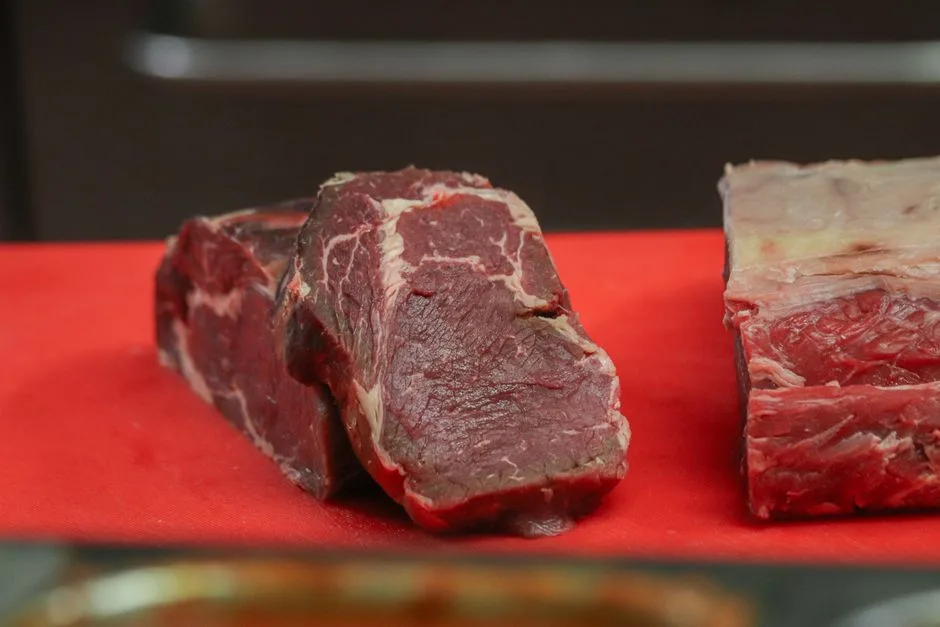
Red meat includes beef, pork, and lamb.
Cooking meat at high heat, like grilling or frying, can also create compounds called heterocyclic amines and polycyclic aromatic hydrocarbons.
Scientists have looked for a single ingredient that explains the risk.
Heme iron became a leading suspect.
What is heme iron, and how might it affect the colon?
Iron in food comes in two forms.
Heme iron comes from animal foods like red meat, poultry, and fish.
Non-heme iron comes from plant foods like beans, spinach, and fortified cereal.
Heme iron is absorbed more easily by the body than non-heme iron.
The theory was that heme iron in the gut could trigger the formation of harmful compounds called N-nitroso compounds.
It might also promote oxidative stress in the cells lining the colon.
Both processes were thought to possibly damage DNA and raise cancer risk over time.
What does the newest evidence show?
A large prospective study followed more than 211,000 people for up to 36 years across three well-known research cohorts, the Nurses' Health Study, Nurses' Health Study II, and the Health Professionals Follow-Up Study.[1]
Researchers tracked nearly 3,000 cases of colorectal cancer during that time.[1]
They compared people eating the most heme iron with people eating the least.[1]
The result was surprising given the earlier theory.
Total heme iron intake was not meaningfully linked to colorectal cancer risk.[1]
This held true whether the heme iron came from red and processed meat or from other sources like poultry and fish.[1]
The researchers also tested whether calcium intake changed this picture, since calcium can bind to heme iron in the gut and was thought to possibly block its harmful effects.
Calcium intake was linked to lower colorectal cancer risk, matching earlier research.
But this protective effect of calcium did not depend on how much heme iron a person ate.[1]
In other words, calcium seems to protect the colon through some other pathway, not by neutralizing heme iron.[1]
So does red meat still raise cancer risk?
This one study does not undo decades of research linking processed meat and red meat to colorectal cancer.
It does suggest that heme iron alone is probably not the main reason for that link.[1]
Other factors likely play a bigger role.
- Nitrates and nitrites used to cure processed meat
- High heat cooking methods that form harmful compounds
- Sodium and preservatives common in processed meat
- Overall dietary pattern, since diets high in red meat often run low in fiber and vegetables
- Possible effects on gut bacteria and inflammation
This means the advice to limit processed meat still makes sense.
It also means the reason behind that advice is more complex than one single compound.
What other foods and habits affect colorectal cancer risk?
Diet is only one piece of colorectal cancer risk.
- Fiber from whole grains, beans, fruits, and vegetables, which may support a healthy gut lining
- Calcium and vitamin D, both linked to lower risk in past research
- Regular physical activity
- Maintaining a body weight in a healthy range
- Limiting alcohol
- Avoiding smoking
- Getting recommended colorectal cancer screening starting at the suggested age
Family history and certain genetic conditions also raise risk regardless of diet.
What should you actually do?
You do not need to fear iron or cut out red meat completely based on this single study.
A few practical, evidence-based steps make sense for most people.
- Limit processed meat like bacon, sausage, and deli meat to occasional use rather than daily
- Choose red meat in moderation and balance it with poultry, fish, beans, and eggs
- Fill at least half your plate with vegetables and fruit at meals featuring meat
- Add fiber-rich foods like oats, lentils, and whole grains most days
- Include calcium-rich foods like dairy, fortified plant milk, or leafy greens
- Try cooking methods like baking, steaming, or slow roasting instead of frequent grilling or charring
- Stay up to date with recommended colorectal cancer screening
These steps line up with general healthy eating advice, not just cancer prevention.
Who should pay closer attention?
People with a family history of colorectal cancer may want to be more careful with processed meat intake.
People with inflammatory bowel disease may also want to discuss diet with a doctor, since chronic gut inflammation is its own risk factor.
People already eating a lot of processed meat and little fiber may see the biggest benefit from shifting their pattern.
People with low calcium intake, such as those who avoid dairy, may benefit from finding other calcium sources.
Frequently asked questions
Does eating red meat definitely cause colorectal cancer?
No single food guarantees cancer. Large studies link higher red and processed meat intake with higher average risk across populations, but individual risk depends on many factors including genetics, overall diet, and lifestyle.
Is heme iron dangerous?
A large recent study found no meaningful link between heme iron intake and colorectal cancer risk.[1] This suggests heme iron is probably not a major driver of the meat and cancer link, though red meat itself remains linked to higher risk in other research.
Does calcium protect against colorectal cancer?
Higher calcium intake has been linked to lower colorectal cancer risk in multiple studies, including this one.[1] The protection does not appear to work by blocking heme iron, so the exact mechanism is still being studied.
Put this to work in your own food log. Track it free with Ration →