Diet and Gallstones: What to Eat to Help Prevent Them
Key takeaways
- Diets that support healthy gut bacteria are linked to a lower rate of gallstone disease in a large US study[1].
- Fiber, healthy fats, and plant foods may help prevent gallstones by lowering inflammation and improving bile flow.
- Diets high in refined carbs, added sugar, and saturated fat are linked to higher gallstone risk.
- Small changes, like eating more vegetables, whole grains, and fermented foods, may support both gut health and gallbladder health.
What are gallstones?
Gallstones are hard lumps that form inside the gallbladder.
The gallbladder is a small organ that stores bile, a fluid made by the liver.
Bile helps you digest fat.
Most gallstones form when bile has too much cholesterol and not enough bile acid to keep it dissolved.
The cholesterol then hardens into stones.
Gallstones can sit quietly for years with no symptoms.
Some people develop sharp pain in the upper right belly, nausea, or bloating, especially after a fatty meal.
Gallstone disease is common, and it affects more women than men.
Why does diet matter for gallstones?
Diet shapes the mix of cholesterol, bile acids, and fat in bile.
Diet also shapes the gut microbiome, the community of bacteria living in your intestines.
A new cross-sectional study used data from over 5,600 US adults to test this link directly[1].
Researchers used a tool called the Dietary Index for Gut Microbiota, or DI-GM.
This index scores 14 foods and nutrients as either helpful or harmful to gut bacteria.
People with higher DI-GM scores, meaning more gut-friendly diets, had a lower rate of gallstone disease[1].
People with the highest scores had about 29 percent lower odds of gallstones compared to those with lower scores[1].
The helpful foods in the index were the main driver of this lower risk[1].
How might gut bacteria affect gallstones?
Gut bacteria help break down bile acids after they do their job digesting fat.
Healthy bacteria can help keep bile acid levels balanced, which keeps cholesterol dissolved in bile.
An unhealthy gut microbiome may raise inflammation throughout the body.
Inflammation can affect how the gallbladder squeezes and empties.
A gallbladder that empties slowly lets bile sit longer, giving cholesterol more time to crystallize into stones.
The same study also measured the Dietary Inflammatory Index, a score for how inflammatory a diet is overall[1].
Diets that were better for gut bacteria also tended to be less inflammatory[1].
This lower inflammation explained about 28 percent of the link between gut-friendly diets and lower gallstone risk[1].
This suggests inflammation is one path, but not the whole story.
Because the study measured diet, inflammation, and gallstones all at the same time, it cannot prove cause and effect[1].
What other factors raise gallstone risk?
Diet is only one piece of the gallstone picture.
- Rapid weight loss or crash dieting
- Obesity, especially extra weight around the belly
- Pregnancy
- Older age
- Being female
- A family history of gallstones
- Certain medications, including some hormone therapies
- Diabetes and insulin resistance
These factors matter alongside diet, not instead of it.
Which foods may help lower gallstone risk?
Fiber is one of the most consistently helpful nutrients for gallbladder health.
Fiber helps bind extra cholesterol in the gut so less of it ends up in bile.
- Vegetables and leafy greens
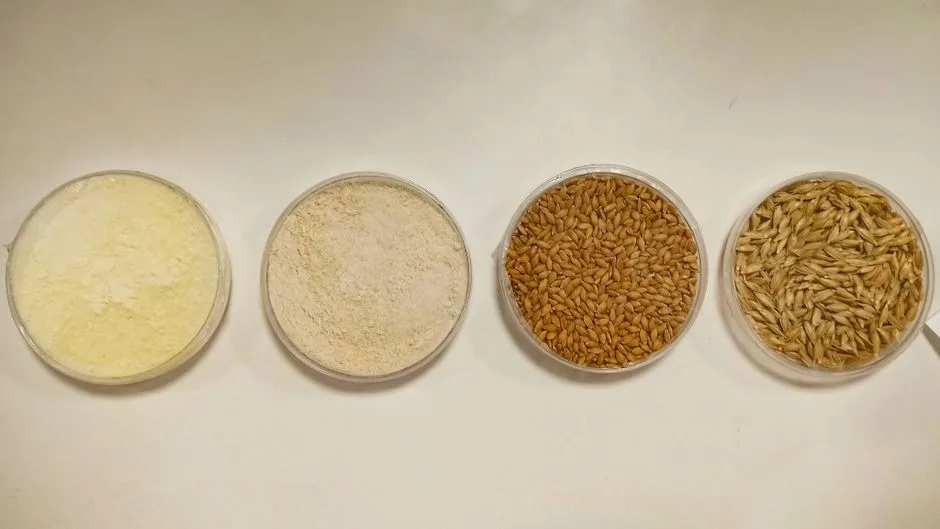
- Whole grains like oats, barley, and brown rice
- Legumes, including lentils and beans
- Fruits, especially those with skin left on
- Nuts and seeds
- Fermented foods like yogurt and kefir, which support gut bacteria
- Healthy fats from olive oil, avocado, and fatty fish
Coffee has also been studied for a possible link to lower gallstone risk, though evidence is mixed.
Calcium and vitamin C intake have been studied as well, though the DI-GM index used in this study weighs a broader mix of foods rather than single nutrients[1].
Which foods may raise gallstone risk?
- Refined carbohydrates like white bread and pastries
- Added sugars, including sugary drinks
- Fried and highly processed foods
- Excess saturated fat
- Very low fiber diets
These foods were classified as detrimental to gut microbiota in the DI-GM scoring system[1].
Diets built around these foods tend to score lower on gut-friendly eating patterns and higher on dietary inflammation[1].
What should you actually eat?
You do not need a perfect diet to support your gallbladder.
Small, steady changes matter more than short bursts of strict eating.
- Fill half your plate with vegetables and fruit at most meals
- Choose whole grains over refined grains most of the time
- Add a serving of legumes, like lentils or chickpeas, a few times a week
- Include a source of healthy fat, such as olive oil or nuts, daily
- Add a fermented food, like plain yogurt, a few times a week
- Limit sugary drinks and fried foods
- Avoid rapid weight loss diets, and lose weight gradually if needed
- Stay consistent with regular meals rather than skipping them
These steps line up with the broader pattern of eating linked to lower gallstone rates in this study[1].
They also support general gut and heart health, so there is little downside to trying them.
Who should pay closer attention to this?
- People with a family history of gallstones
- People who are losing weight quickly, including after bariatric surgery
- People with obesity or insulin resistance
- Women, who face a higher baseline risk
- Anyone who has already had one gallstone episode
People in these groups may benefit most from paying attention to fiber and gut-friendly eating patterns.
Anyone with symptoms of gallstones, like pain after eating fatty food, should talk with a doctor rather than rely on diet changes alone.
Frequently asked questions
Can diet alone prevent gallstones?
Diet is one factor among many. Genetics, weight, age, and sex all play a role, so diet lowers risk but does not guarantee prevention[1].
Does cutting out fat completely help?
No. The gallbladder needs some fat to trigger normal bile release. Very low fat diets can actually let bile sit longer in the gallbladder.
Is coffee good or bad for gallstones?
Some research suggests coffee may lower gallstone risk, but findings are mixed and it should not be viewed as a treatment.
Put this to work in your own food log. Track it free with Ration →