Gut Health and Diet: How Food Shapes Your Gut Bacteria

Key takeaways
- Your gut is home to trillions of bacteria, and the food you eat is their main fuel source.
- Diets high in processed meat, alcohol, and artificially sweetened drinks may shift gut bacteria toward types that produce more hydrogen sulfide and inflammatory compounds.[1]
- A recent study linked this pattern, called the sulfur microbial diet, to higher cholesterol and changes in gut related biomarkers in adults with overweight or obesity.[1]
- Fiber rich, plant forward eating patterns are the most consistent way to support a healthy gut.
What is the gut microbiome?
Your gut microbiome is the community of bacteria, fungi, and other microbes living in your intestines.
Most of these microbes live in your large intestine, or colon.
They break down food your body cannot digest on its own, especially fiber.
In return, they make compounds that affect your metabolism, immune system, and even your brain.
This two way street between gut and brain is called the gut-brain axis.
Why does diet matter so much for gut bacteria?
Gut bacteria eat what you eat.
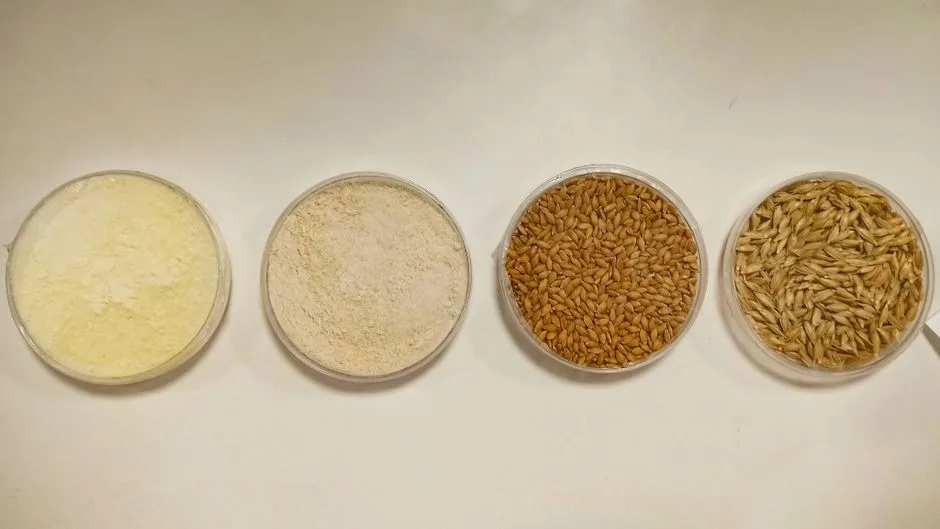
When you eat fiber from vegetables, fruits, beans, and whole grains, helpful bacteria multiply.
These bacteria produce short chain fatty acids, which help control inflammation and support the gut lining.
When your diet leans heavily on processed meats, alcohol, and artificially sweetened beverages, a different mix of bacteria can take over.
Researchers call this pattern the sulfur microbial diet.
It favors sulfur reducing bacteria, which make more hydrogen sulfide gas in the gut.[1]
This same dietary pattern is also linked to higher levels of lipopolysaccharide, or LPS.
LPS is a molecule from the outer wall of certain bacteria.
When it leaks into the bloodstream, it can trigger low grade inflammation throughout the body.
What does the evidence show?
A 2026 study looked at 633 adults with overweight or obesity to see how closely their diets matched the sulfur microbial diet pattern.[1]
Researchers scored diets based on intake of eight food groups, including processed meat, alcohol, and diet drinks.
People were split into four groups, from lowest to highest adherence to this pattern.
Those with the highest scores had higher total cholesterol levels than those with the lowest scores.[1]
They also showed differences in nerve growth factor, a protein tied to the gut-brain axis.[1]
LPS levels rose step by step across the diet score groups, with a clear upward trend.[1]
Blood sugar, insulin, triglycerides, and blood pressure did not differ significantly between groups in this study.[1]
This was a cross-sectional study, meaning it captured a single snapshot in time.
It cannot prove that this diet pattern causes higher cholesterol or inflammation.
It can only show that the two tend to appear together.
Still, this adds to a larger body of research connecting processed food heavy diets with gut dysbiosis and metabolic risk.
How could gut bacteria affect your metabolism and weight?
Scientists think a few pathways connect gut bacteria to body weight and metabolic health.
- Short chain fatty acids from fiber fermentation may help regulate appetite hormones and fat storage.
- Excess hydrogen sulfide from sulfur reducing bacteria may damage the gut lining over time.
- A weaker gut lining can let more LPS pass into the bloodstream, driving low grade inflammation.
- Chronic low grade inflammation is linked to insulin resistance and higher cholesterol.
- Gut bacteria can also influence nerve signaling along the gut-brain axis, which may affect hunger and mood.
What should you eat for a healthier gut?
You do not need a perfect diet to support your gut bacteria.
Small, steady changes tend to work best.
- Add more fiber from vegetables, fruits, beans, lentils, and whole grains like oats and barley.
- Include fermented foods such as yogurt, kefir, sauerkraut, and kimchi, which carry live beneficial bacteria.
- Cut back on processed meats like bacon, sausage, and deli meats.
- Limit alcohol intake, since heavy drinking is tied to gut microbial imbalance.
- Choose water or unsweetened drinks over artificially sweetened beverages when possible.
- Eat a variety of plant foods each week, since different fibers feed different bacteria.
- Include healthy fats from sources like olive oil, nuts, and fatty fish.
Who should pay closer attention to gut health?
Gut health matters for everyone, but a few groups may benefit most from paying closer attention.
- Adults with overweight or obesity, since gut bacteria changes are linked to metabolic markers in this group.[1]
- People with high cholesterol or a family history of heart disease.
- Anyone with frequent digestive symptoms like bloating, constipation, or diarrhea.
- People who eat a diet heavy in processed foods, alcohol, or diet sodas.
- Older adults, since gut bacteria diversity tends to shrink with age.
Common questions about diet and gut health
Below are quick answers to some common questions about how food shapes gut bacteria.
Frequently asked questions
Does an unhealthy gut cause weight gain?
Gut bacteria imbalance is linked to weight and metabolic markers in observational studies, but this research cannot prove that gut bacteria alone cause weight gain.[1] Diet, activity, sleep, and genetics all play a role too.
Can probiotics fix an unbalanced gut?
Probiotic foods and supplements may support a healthy gut community, but they work best alongside a fiber rich diet rather than as a stand alone fix.
Is the sulfur microbial diet the same as a high protein diet?
No. The sulfur microbial diet pattern centers on processed meats, alcohol, and artificially sweetened drinks, not on protein intake in general. Lean, minimally processed protein sources like fish, poultry, or beans are not part of this pattern.
Put this to work in your own food log. Track it free with Ration →