Gut Health and Fatty Liver: How the Microbiome Affects Your Liver
Key takeaways
- Non-alcoholic fatty liver disease (NAFLD) is linked to imbalances in gut bacteria, not just excess calories or fat.
- Short-chain fatty acids like butyrate, made by gut bacteria, help protect the gut lining and calm liver inflammation.
- Animal research shows that prebiotic fibers and compounds like curdlan can boost butyrate-producing bacteria and reduce liver fat[1].
- Eating more fiber, fermented foods, and plant diversity supports the same gut-liver pathways studied in this research.
What is the gut-liver axis?
Your gut and liver are connected by a direct pipeline called the portal vein.
Everything absorbed in your intestines travels through this vein straight to your liver.
This means your liver is constantly exposed to whatever your gut bacteria are producing.
Scientists call this relationship the gut-liver axis.
When gut bacteria are balanced, they produce helpful compounds like short-chain fatty acids.
When gut bacteria are imbalanced, a state called dysbiosis, they can produce harmful byproducts instead.
One harmful byproduct is lipopolysaccharide, or LPS, a toxin from certain bacterial cell walls.
LPS can leak through a weakened gut lining and travel to the liver, triggering inflammation.
What is non-alcoholic fatty liver disease?
Non-alcoholic fatty liver disease, or NAFLD, happens when fat builds up in the liver of someone who drinks little or no alcohol.
It is one of the most common liver conditions worldwide.
It is closely tied to obesity, insulin resistance, and type 2 diabetes.
Left unchecked, it can progress to inflammation, scarring, and even liver failure.
Diet and gut health are two of the biggest levers researchers are studying to slow or reverse it.
How do gut bacteria affect liver fat?
A recent mouse study looked at curdlan, a fiber-like compound made by bacteria and used as a food additive.
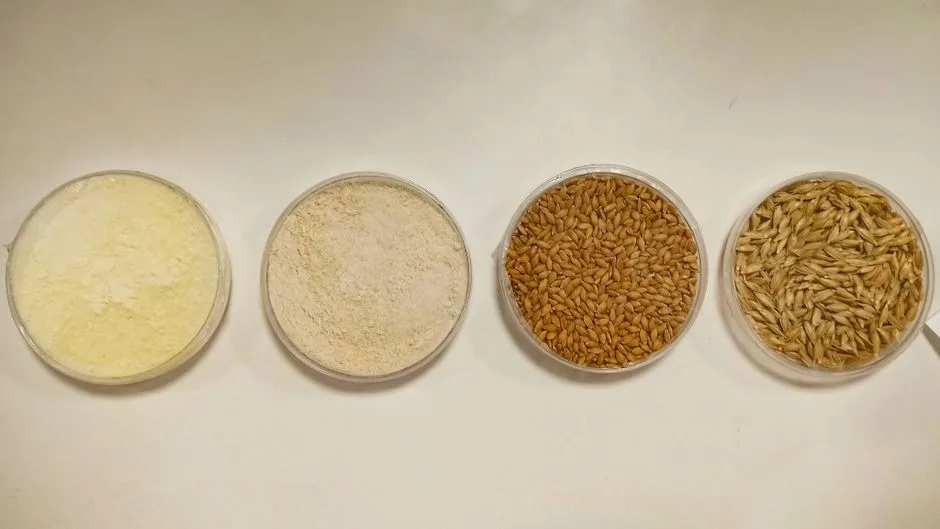
Curdlan is a type of beta-glucan, a soluble fiber also found in foods like oats and barley.
Mice fed a high-fat, fiber-poor diet developed fatty liver disease.
Adding curdlan to their diet reduced liver fat buildup, inflammation, and harmful immune cell activity in the liver[1].
Curdlan worked by reshaping the gut microbiota.
It increased bacteria that produce butyrate, a short-chain fatty acid made when gut bacteria ferment fiber.
These butyrate-producing bacteria included genera like Roseburia and Clostridium, which are also raised by fiber-rich diets in humans.
More butyrate in the blood was linked to a stronger gut barrier, with tighter junctions between intestinal cells[1].
A stronger gut barrier meant less LPS leaking into the bloodstream.
Less LPS meant calmer inflammatory signaling in the liver, specifically through a pathway called NFκB-PTP1B-Akt[1].
When researchers gave mice a specific butyrate-producing bacterium, Clostridium butyricum, directly, it recreated the same liver benefits as curdlan[1].
This suggests butyrate itself, not just curdlan, is doing much of the protective work.
What else does butyrate do in the body?
Butyrate is one of the main fuels for the cells lining your colon.
It helps maintain the gut barrier so toxins stay inside the gut instead of entering the bloodstream.
Beyond the liver, butyrate has been studied for its role in calming immune overactivity.
Curdlan and related beta-glucans have shown effects on immune cells in other contexts too, including models of autoimmune disease[4] and cancer immunotherapy[5].
Another study found that dietary curdlan increased beneficial Bifidobacteria and reduced gut inflammation in mice, independent of the liver findings[6].
Curdlan is already recognized for a range of biomedical uses, from wound healing materials[7] to nanoparticle drug delivery[3], reflecting its versatility as a biologically active fiber[2].
What does this mean for people, not just mice?
This research was done in mice, so it cannot be directly applied to humans yet.
Still, the underlying biology lines up with what is already known about fiber, short-chain fatty acids, and liver health in people.
Human studies consistently link higher fiber intake to lower rates of fatty liver disease and better metabolic health.
Foods that feed butyrate-producing bacteria in real diets include many of the same fiber types studied in this research.
- Oats and barley, rich in beta-glucan fiber
- Legumes like lentils, chickpeas, and black beans
- Onions, garlic, and leeks
- Bananas, especially slightly underripe ones
- Whole grains like brown rice and whole wheat
- Resistant starch from cooked and cooled potatoes or rice
Fermented foods like yogurt, kefir, sauerkraut, and kimchi can also support a diverse gut microbiome.
Curdlan itself is used as a food additive and thickener in some processed foods, but it is not something you would supplement with for liver health based on current evidence.
What can you do to support gut and liver health?
You do not need exotic ingredients to support the gut-liver axis.
Small, consistent changes to your regular diet matter more than any single food.
- Aim for 25 to 38 grams of fiber a day from a mix of whole grains, legumes, fruits, and vegetables
- Include a fiber source at most meals instead of concentrating it in one meal
- Add a fermented food most days, such as yogurt with live cultures or kefir
- Limit added sugars and refined carbs, which are linked to higher liver fat
- Cut back on ultra-processed foods low in fiber and high in saturated fat
- Stay physically active, since exercise independently improves liver fat and gut microbial diversity
- Limit alcohol, which stresses both the gut lining and the liver directly
- Talk with a doctor about screening if you have obesity, prediabetes, or metabolic syndrome
These steps target the same mechanisms studied in the curdlan research: more short-chain fatty acids, a stronger gut barrier, and less inflammatory signaling reaching the liver.
Who should pay closer attention to this?
People with obesity or type 2 diabetes are at higher risk for NAFLD and may benefit most from gut-focused dietary changes.
People with a low-fiber, high-fat diet pattern are the closest real-world match to the mouse model used in this study.
People with irritable bowel symptoms or a history of antibiotic use may also have disrupted gut bacteria worth addressing.
Anyone with diagnosed liver disease should work with a doctor or dietitian rather than relying on diet alone.
Frequently asked questions
Can eating more fiber actually reverse fatty liver disease?
Fiber alone is unlikely to reverse advanced liver disease, but higher fiber intake is consistently linked to less liver fat and better metabolic markers in humans, and mouse research shows fiber-fed gut bacteria can reduce liver inflammation[1].
What is curdlan and should I eat it on purpose?
Curdlan is a fiber-like compound made by bacteria and approved as a food additive, and while it showed liver benefits in mice[1], there is no established human dosing or product for liver health at this time.
Is butyrate something I can take as a supplement?
Butyrate is normally made by your own gut bacteria when they ferment fiber, and boosting it through fiber-rich foods is better supported by evidence than taking butyrate supplements directly.
Put this to work in your own food log. Track it free with Ration →
Sources
- Curdlan alleviates non-alcoholic fatty liver disease by enriching butyrate-producing gut microbiota-liver axis · PMID 42531785
- Therapeutic and Industrial Applications of Curdlan With Overview on Its Recent Patents · PMID 34262922
- Physicochemical and Biological Evaluation of Curdlan-Poly(Lactic-Co-Glycolic Acid) Nanoparticles as a Host-Directed Therapy Against Mycobacterium Tuberculosis · PMID 34534573
- Curdlan, a Microbial β-Glucan, Has Contrasting Effects on Autoimmune and Viral Models of Multiple Sclerosis · PMID 35198458
- Oxidized curdlan activates dendritic cells and enhances antitumor immunity · PMID 33910726
- Dietary Curdlan Enhances Bifidobacteria and Reduces Intestinal Inflammation in Mice · PMID 33920960
- Fabrication and evaluation of agarose-curdlan blend derived multifunctional nanofibrous mats for diabetic wounds · PMID 36871684