Does Turmeric Help With IBS and Gut Health?
Key takeaways
- Turmeric and its active compound curcumin have anti-inflammatory and antioxidant effects that may support gut health.
- A 2026 crossover trial found a turmeric formula lowered post-meal chylomicron markers in IBS patients but did not significantly reduce LPS or symptoms[1].
- Larger reviews show turmeric may modestly ease IBS symptoms, but results are inconsistent and studies are often small[3][6][9].
- Turmeric is generally safe in food amounts and typical supplement doses, but it is not a replacement for medical care of IBS or IBD.
What is turmeric?
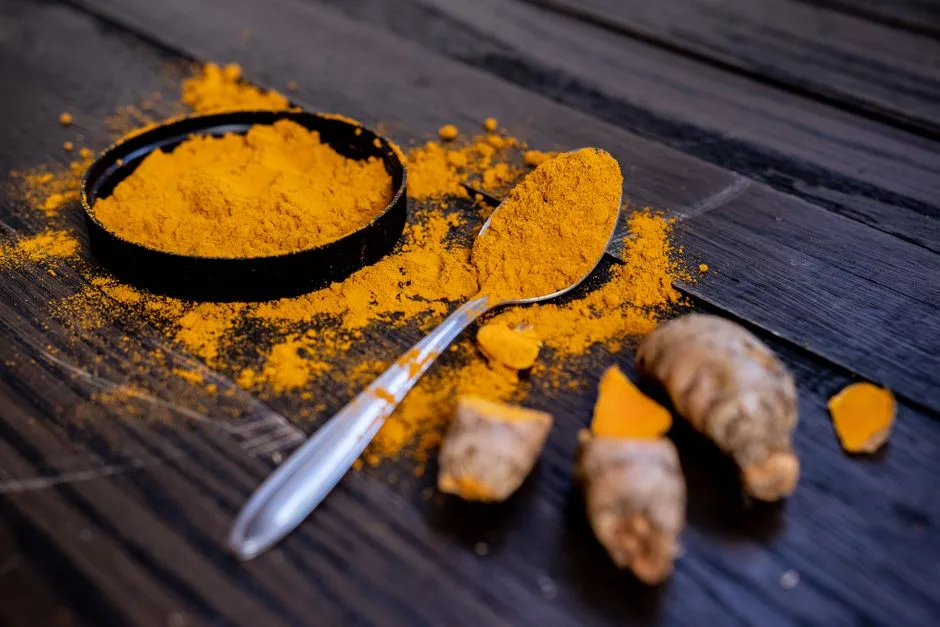
Turmeric is a bright yellow spice made from the root of the Curcuma longa plant.
It has been used for centuries in cooking and in traditional medicine systems across South Asia.
Its main active compound is called curcumin.
Curcumin is a polyphenol, a type of plant compound with antioxidant and anti-inflammatory properties.
Most turmeric supplements are standardized to contain a set amount of curcumin, since raw turmeric powder only contains a small percentage of it.
Why does turmeric matter for the gut?
The gut lining acts as a barrier.
It is supposed to let nutrients through while keeping out harmful substances.
One of those substances is lipopolysaccharide, or LPS.
LPS is a molecule found on the outer wall of certain gut bacteria.
When the gut barrier is weakened, LPS can leak into the bloodstream.
This is sometimes called increased gut permeability, or informally, a leaky gut.
Leaked LPS can trigger low-grade inflammation throughout the body.
This kind of inflammation has been linked to irritable bowel syndrome, or IBS[1].
IBS is a common condition that causes stomach pain, bloating, gas, and changes in bowel habits.
High fat meals can make things worse.
Fat is absorbed into the bloodstream through particles called chylomicrons.
Some research suggests chylomicrons can carry LPS along with them, a process called chylomicron-mediated LPS translocation[1].
This means a fatty meal could, in theory, worsen gut inflammation in sensitive people.
Because turmeric has anti-inflammatory effects, researchers have looked at whether it can interrupt this chain of events.
How might curcumin work in the gut?
Curcumin appears to act on several fronts at once.
- It may calm inflammatory signaling pathways in gut tissue[2].
- It may help support the gut barrier, reducing permeability[8].
- It has antioxidant activity that can reduce oxidative stress in gut cells[4].
- It may interact with gut bacteria, though this is less well understood[8].
In the 2026 crossover trial, a turmeric formula reduced two markers tied to fat absorption after a high-fat meal, ApoB48 and triglycerides[1].
ApoB48 is a protein found on chylomicrons, so lower levels suggest less chylomicron activity after the meal.
Lower chylomicron activity could mean less opportunity for LPS to piggyback into the bloodstream.
However, the same study did not find a significant drop in LPS itself after the meal[1].
Fasting LPS and fasting triglycerides trended lower with turmeric, but the results did not reach statistical significance[1].
This suggests turmeric may work on part of the pathway, the fat transport part, without yet proving it lowers LPS exposure overall.
What does the evidence show for IBS symptoms?
Curcumin has been tested directly as a treatment for IBS symptoms in several trials.
A systematic review pooling this research found some signal for symptom improvement, but the overall quality of trials was low[9].
A more recent systematic review reached a similar conclusion, noting turmeric may help some patients but the evidence base remains thin and inconsistent[6].
Another broader review of curcumin across digestive diseases found modest benefits for gut symptoms in general, alongside a good safety record[7].
A 2024 systematic review of turmeric across several digestive disorders echoed this cautious optimism[3].
A newer review of plant-based treatments for IBS placed turmeric among the options with preliminary support, though not yet a first-line recommendation in most clinical guidelines[5].
In the 2026 crossover trial specifically, turmeric supplementation did not change reported GI symptoms or stool characteristics compared with placebo[1].
Taken together, the picture is one of a promising but unproven remedy.
Turmeric may influence some biological markers of gut inflammation without yet showing clear, consistent symptom relief across all studies.
What should you do if you want to try turmeric for gut health?
If you are curious about turmeric for digestive symptoms, a few practical steps can help.
- Talk to a doctor before starting any supplement, especially if you have IBS, inflammatory bowel disease, or take other medications.
- Consider starting with turmeric as a cooking spice rather than jumping straight to high-dose supplements.
- Look for supplements standardized for curcumin content if you do try one, since this ensures a consistent dose.
- Pair turmeric with black pepper or a source of fat, since curcumin absorption improves with piperine and dietary fat.
- Keep a symptom diary for a few weeks to track whether bloating, pain, or bowel habits actually change.
- Avoid relying on turmeric alone to manage high-fat meals if you have IBS, and consider moderating fat intake as well.
- Be patient, since most trials use turmeric for several weeks or longer, though even short 3-day supplementation showed some effects on fat-related markers[1].
Turmeric supplements are generally considered safe for most healthy adults at typical doses used in research[3][7].
People with gallbladder issues, bleeding disorders, or those on blood thinners should be especially cautious and check with a healthcare provider first.
Who might benefit most from turmeric?
People with IBS who notice symptoms after fatty meals may be the most relevant group for this research[1].
People looking for general anti-inflammatory support in their diet may also consider turmeric as one piece of a broader pattern.
This broader pattern might include foods like fatty fish, olive oil, leafy greens, and berries, all linked to lower inflammation markers.
People with diagnosed inflammatory bowel disease, such as Crohn's disease or ulcerative colitis, have also been studied with curcumin, often as an add-on to standard treatment rather than a replacement[2].
Turmeric is unlikely to help everyone equally, since IBS itself has multiple subtypes and triggers.
Some people react more to fat, others to fermentable carbohydrates known as FODMAPs, and others to stress or gut motility issues.
Because of this variety, no single spice or supplement works for every case of IBS[5].
Frequently asked questions
Can turmeric cure IBS?
No, turmeric is not a cure for IBS. Some studies suggest it may ease certain markers of gut inflammation and possibly some symptoms, but the evidence is mixed and more research is needed[6][9].
Put this to work in your own food log. Track it free with Ration →
Sources
- Impact of 3-day turmeric supplementation on fasting and postprandial LPS and chylomicron-related markers in patients with IBS: A randomized crossover trial · PMID 42543530
- Cannabis and Turmeric as Complementary Treatments for IBD and Other Digestive Diseases · PMID 30635796
- A systematic review of the efficacy and safety of turmeric in the treatment of digestive disorders · PMID 38503513
- Latest in Vitro and in Vivo Assay, Clinical Trials and Patents in Cancer Treatment using Curcumin: A Literature Review · PMID 29708445
- Plant-Derived Treatments for IBS: Clinical Outcomes, Mechanistic Insights, and Their Position in International Guidelines · PMID 41599795
- Turmeric for Treatment of Irritable Bowel Syndrome: A Systematic Review of Population-Based Evidence · PMID 36447978
- A Systematic Review of the Clinical Use of Curcumin for the Management of Gastrointestinal Diseases · PMID 34331698
- Chili Peppers, Curcumins, and Prebiotics in Gastrointestinal Health and Disease · PMID 26973345
- A Meta-Analysis of the Clinical Use of Curcumin for Irritable Bowel Syndrome (IBS) · PMID 30248988