Can Plant Extracts and Foods Help Lower Blood Pressure?
Key takeaways
- Many plants contain compounds that may relax blood vessels or block the ACE enzyme, which helps raise blood pressure.
- Research on plant extracts like celery seed, cinnamon, and Aster pseudoglehnii leaf shows promise but is still early.
- Diet patterns like DASH and foods rich in potassium, nitrates, and polyphenols have the strongest evidence for blood pressure support.
- No supplement should replace prescribed blood pressure medication without talking to a doctor.
What is high blood pressure, and why does it matter?
High blood pressure, or hypertension, means blood pushes too hard against artery walls.
Over time, this strain damages blood vessels.
It raises the risk of heart attack, stroke, and kidney disease.
Hypertension often has no symptoms, so people call it a silent condition.
Oxidative stress and endothelial dysfunction are two key drivers behind it.
Oxidative stress happens when harmful molecules called free radicals build up faster than the body can clear them.
Endothelial dysfunction means the thin lining of blood vessels, called the endothelium, stops working well.
A healthy endothelium makes nitric oxide, a gas that helps blood vessels relax and widen.
How can food and plants affect blood pressure?
Several natural compounds in food and plants may support healthy blood pressure through different paths.
- Blocking the angiotensin-converting enzyme, or ACE, which narrows blood vessels when active[3]
- Boosting nitric oxide production so vessels relax more easily[6]
- Reducing oxidative stress that damages vessel walls[1]
- Lowering inflammation in the cells lining blood vessels[1]
- Supporting the kidneys' handling of sodium and fluid
ACE inhibitors are a common class of blood pressure medication.
They work by blocking the enzyme that turns angiotensin I into angiotensin II, a hormone that tightens blood vessels.
Many plant compounds, including polyphenols and flavonoids, appear to block this same enzyme in lab studies[3].
This does not mean plant foods work as strongly as medication, but the shared mechanism is worth understanding.
What does the research show?
A wide range of plants have been studied for blood pressure support.
A 2026 lab study looked at leaf extract from Aster pseudoglehnii, a plant used in traditional Korean cooking and medicine[1].
Researchers split the extract into two fractions and tested them on human endothelial cells.
One fraction reduced markers of blood vessel inflammation called ICAM-1 and VCAM-1[1].
It also activated eNOS, an enzyme that helps produce nitric oxide[1].
The same fraction showed stronger antioxidant activity and ACE inhibition than the other fraction[1].
Compounds identified in the active fraction included cynarine and chlorogenic acid derivatives, both types of polyphenols[1].
This was a cell and lab based study, not a human trial, so the results are early evidence rather than proof it works in people.
Other plants have more direct human evidence.
A randomized controlled trial found that celery seed extract lowered blood pressure in adults with hypertension compared to a placebo[2].
Celery contains a compound called 3-n-butylphthalide, thought to help relax blood vessel muscle.
An umbrella review of multiple meta-analyses found that cinnamon supplementation modestly reduced blood pressure and markers of oxidative stress in adults[4].
Cinnamon may also improve insulin sensitivity, which is linked to blood pressure control.
A broad review of plant families found many contain compounds that inhibit ACE or block angiotensin II receptors in lab testing[3].
An animal study on Lagerstroemia speciosa, also called banaba, found it lowered blood pressure in rats by improving nitric oxide signaling and reducing oxidative stress[6].
Older animal research going back decades has tested blood pressure responses to various plant extracts, showing this is a long standing area of study[8].
A broader review of phytotherapy, meaning plant based treatment, summarized dozens of traditional plants studied for hypertension, noting most need more rigorous human trials[5].
A review of food and plant bioactives for cardiometabolic health also highlighted polyphenols, fiber, and potassium as key dietary levers for blood pressure[7].
Vitamin D may also play a role in blood pressure control, since a systematic review and meta-analysis of clinical trials found that vitamin D supplementation modestly improved several cardiometabolic risk factors, including blood pressure, in some groups of adults[10].
The effect was not consistent across every trial, suggesting vitamin D status matters most for people who start out deficient[10].
Vitamin D is found in fatty fish, egg yolks, and fortified foods, and its link to blood pressure likely runs through effects on the renin-angiotensin system, the same hormone pathway targeted by ACE inhibitors[10].
Mentha aquatica, or water mint, is another plant recently studied for its blood pressure related actions[11].
An animal study found that extracts of the plant reduced markers of inflammation and showed antioxidant activity, without causing signs of toxicity at the doses tested[11].
Since inflammation and oxidative stress both contribute to endothelial dysfunction, researchers suggest water mint may deserve further study as a supportive plant for vascular health, though human trials have not yet tested its effect on blood pressure directly[11].
What foods have the strongest evidence?
Beyond specific extracts, whole dietary patterns have the most consistent evidence for blood pressure.
The DASH diet, short for Dietary Approaches to Stop Hypertension, is the most studied eating pattern for this purpose.
It emphasizes vegetables, fruit, whole grains, and low fat dairy, while limiting sodium.
- Leafy greens and beets, which are rich in dietary nitrates that convert to nitric oxide
- Bananas, potatoes, and beans, which supply potassium to help balance sodium
- Berries and citrus fruit, rich in flavonoids and vitamin C
- Fatty fish like salmon, a source of omega-3 fatty acids
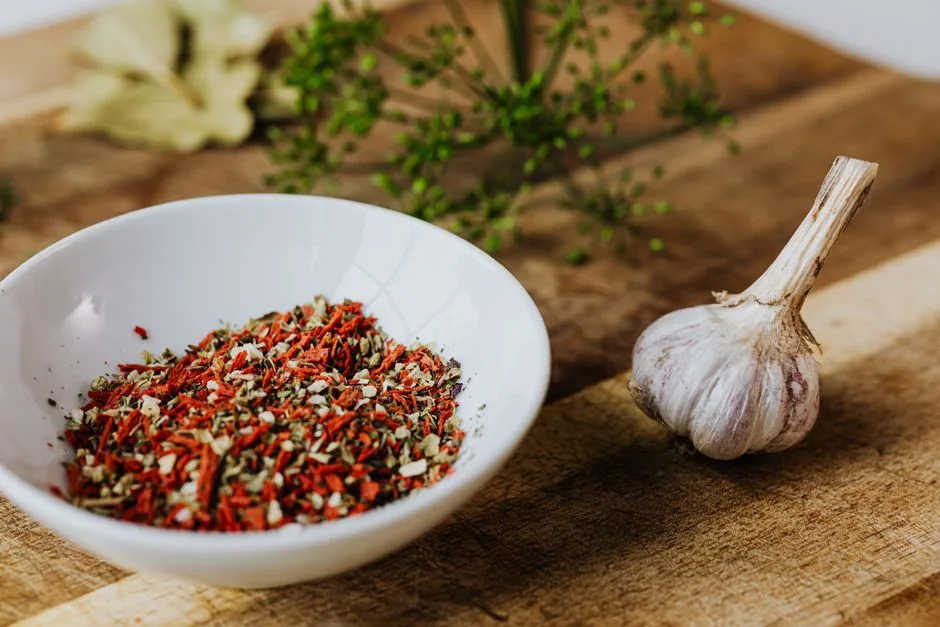
- Garlic, which contains sulfur compounds studied for vessel relaxation
- Fermented dairy and foods with probiotics, linked to modest blood pressure benefits
- Dark chocolate in moderation, due to cocoa flavanols
Reducing sodium intake remains one of the most proven ways to lower blood pressure for many people.
Cutting back on ultra-processed foods naturally lowers sodium intake, since they are the main source in most diets.
Baru fruit, a nut and pulp native to the Brazilian savanna, has also drawn attention for cardiometabolic health, including blood pressure support[9].
Its kernel is rich in unsaturated fats, fiber, and polyphenols, while its pulp supplies carotenoids and vitamin C[9].
Early research suggests these compounds may help reduce oxidative stress and support healthy blood vessel function, similar to other polyphenol rich foods on this list[9].
What should you actually do?
- Build meals around vegetables, fruit, whole grains, beans, and lean proteins
- Aim to keep sodium intake within your doctor's recommended range
- Include potassium rich foods like leafy greens, beans, and bananas unless you have kidney disease
- Add herbs and spices like cinnamon, garlic, and celery for flavor and possible extra benefit
- Limit alcohol and added sugar, both linked to higher blood pressure
- Stay physically active most days of the week
- Monitor your blood pressure at home if your doctor recommends it
- Talk to a doctor before starting any herbal supplement, especially if you take blood pressure medication
Herbal extracts can interact with prescription drugs, including ACE inhibitors and diuretics.
Combining a strong plant extract with medication could lower blood pressure too much.
This is why any supplement use should be discussed with a healthcare provider first.
Who might benefit most?
People with mildly elevated blood pressure may see the most benefit from diet and lifestyle changes alone.
Those already on medication may still benefit from supportive dietary patterns like DASH.
People with a family history of hypertension or cardiovascular disease may want to start healthy habits earlier.
Anyone with diagnosed hypertension should still follow their prescribed treatment plan.
Frequently asked questions
Can food alone lower high blood pressure?
For some people with mildly elevated blood pressure, diet changes can make a meaningful difference. For diagnosed hypertension, food is usually a support alongside medication, not a replacement.
Are plant extracts like Aster pseudoglehnii safe to try?
Most current evidence comes from lab and animal studies, not large human trials, so safety and effective doses are not well established yet[1].
What is the fastest dietary change to lower blood pressure?
Cutting back on sodium, especially from processed and restaurant food, tends to show results within weeks for many people.
Put this to work in your own food log. Track it free with Ration →
Sources
- Characterization of the potential antihypertensive activity of Aster pseudoglehnii leaf extracts · PMID 42534584
- Effect of celery (Apium graveolens) seed extract on hypertension: A randomized, triple-blind, placebo-controlled, cross-over, clinical trial · PMID 35624525
- Inhibition of Angiotensin Converting Enzyme, Angiotensin II Receptor Blocking, and Blood Pressure Lowering Bioactivity across Plant Families · PMID 24915402
- Effect of cinnamon supplementation on blood pressure, oxidative stress, and inflammatory biomarkers in adults: An umbrella review of the meta-analyses of randomized controlled trials · PMID 39299867
- Phytotherapy of Hypertension: An Updated Overview · PMID 31880255
- Lagerstroemia speciosa Ameliorated Blood Pressure in LNAME Induced Hypertension in Experimental Rats through NO/cGMP and Oxidative Stress Modulation · PMID 36262977
- Food and plant bioactives for reducing cardiometabolic disease risk: an evidence based approach · PMID 28541356
- Observations on blood pressure responses to injections of medicinal plant extracts in rats · PMID 7598096
- Exploring the baru fruit (Dipteryx alata Vog.): chemical composition and health benefits · PMID 42533778
- Does vitamin D supplementation modulate metabolic risk factors of cardiovascular disease? A systematic review and meta-analysis of clinical trials · PMID 42521227
- Integrated Phytochemical and Pharmacological Investigation of Mentha aquatica L.: Anti-Inflammatory, Analgesic, and Safety Evidence From In Vivo Studies · PMID 42540419